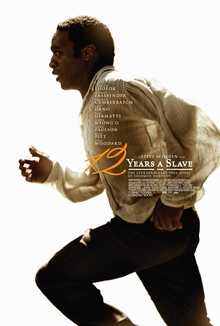
In the landscape of modern cinema, Steve McQueen's 12 Years a Slave stands as an essential and unflinching portrayal of one of the darkest chapters in American history. Emerging from a body of work that often interrogates themes of race, identity, and human suffering, McQueen delivers a harrowing narrative that chronicles the true story of Solomon Northup, a free Black man abducted and sold into slavery. This film not only fits into the broader canon of films about slavery but also marks a significant moment in McQueen's career as he combines visceral imagery with poignant storytelling, challenging viewers to confront the brutal realities of that era and its lingering ramifications in contemporary society.
The critical consensus surrounding 12 Years a Slave largely highlights its capacity to evoke raw emotion and its unflinching depiction of brutality faced by enslaved individuals. Critics unanimously describe the film as harrowing, vital, and necessary viewing. It transcends mere historical recounting, offering a meditative exploration of resilience in the face of systemic dehumanization. Solitary moments of humanity are interwoven with graphic portrayals of violence, illustrating the complex layers of suffering and the unwavering spirit of those who endured unimaginable hardship. The film does not shy away from the grotesque realities of slavery, making it a crucial point of discussion for audiences seeking to understand the full scope of its impact.
McQueen's direction is lauded for its impressive ability to balance somber aesthetic with potent commentary on freedom, resilience, and the often painful journey towards self-actualization amid oppression. The performances, especially that of Chiwetel Ejiofor as Northup, are profound, channeling the emotional weight of his trials into a visceral experience for viewers. Critics note that the film does not glamourize the narrative; instead, it commits to an authentic representation of suffering, echoing the lived experiences of countless individuals throughout history. This commitment to realism further enforces the film's status as a modern classic, one that challenges societal narratives surrounding race and humanity.
In closing, 12 Years a Slave occupies a critical place in the dialogue about race and history, functioning not only as an artistic achievement but also as a moral imperative. McQueen's work compels us to reflect on the enduring consequences of slavery and to recognize the resilience and humanity that can arise even in the direst circumstances. It invites viewers to grapple with the difficult truths of our past while advocating for a more enlightened future. As such, McQueen's film remains a seminal work, vital for any discourse surrounding equality and the human experience.