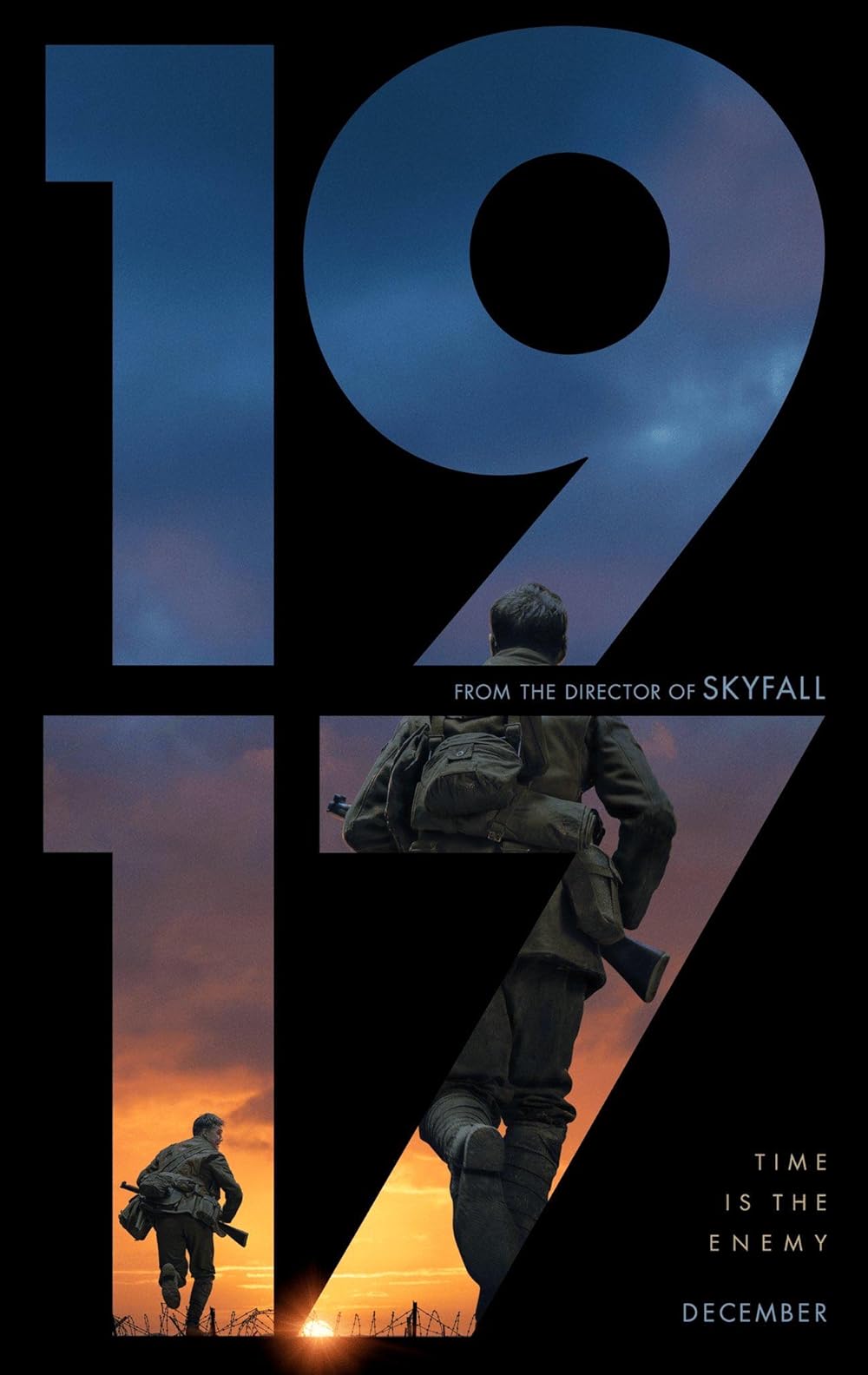
Directed by Sam Mendes, 1917 is a remarkable entry in both contemporary cinema and the cinematic representation of World War I. The film marks a significant evolution in Mendes' filmmaking approach, showcasing a bold ambition to explore the chaos and brutality of war through innovative storytelling techniques. It serves as a testament to his ability to weave deeply resonant human experiences into the fabric of epic narratives. By embracing a single-take technique, Mendes engages viewers in an immersive experience that pulls them directly into the harrowing environment of the battlefield, blurring the lines between spectator and participant.
The critical consensus surrounding 1917 largely highlights its audacious filmmaking and technical triumph, as the film unfolds in real-time, tracing the journey of two British soldiers tasked with delivering a critical message during World War I. This narrative structure not only heightens the tension but also serves as a vehicle for reflecting on the themes of duty, sacrifice, and the surreal chaos of war. Reviewers have noted how the film successfully creates a haunting atmosphere, where moments of calm are shattered by the grim realities of battle, echoing the unpredictable nature of conflict itself. As Mendes crafts each scene with meticulous attention to detail, he immerses audiences in a visceral experience that is both thrilling and disturbing.
Some critics have referred to the film’s technical execution as a marvel, aptly showcasing Mendes’ vision for cinema as an immersive art form. The seamless transitions and complex choreography required for the single-take presentation evoke a sense of urgency, making the viewer an unwitting traveler alongside the protagonists. This immersive technique has sparked discussions about the effectiveness of such narrative styles in conveying the emotional weight of historical events. While some have characterized it as a potential gimmick in a visual sense, the overwhelming majority recognize its contribution to the film’s atmosphere and thematic resonance.
Despite its many successes, 1917 is not without its complexities. Some viewers have found aspects of the film to be half-successful in fully articulating the various narratives of war. While the breathtaking landscapes and intense battle sequences captivate, moments of character development occasionally take a back seat to the relentless pace of the journey. This imbalance prompts discussions regarding the priorities of the film, leading some to argue that while it excels in visual storytelling, it may falter in crafting deeper emotional connections with its characters.
Ultimately, 1917 stands as a bold, exciting inquiry into the horrors of World War I, showcasing Mendes' ambition to redefine how war stories are told in cinema. Its combination of technical prowess and immersive experience captivates as it thrusts audiences into a world of terror and valor, a breathtaking yet chilling reflection on a dark chapter in human history. The film not only highlights the chaos of warfare but also invites one to ponder the untold stories that linger in the silence of forgotten battlefields.