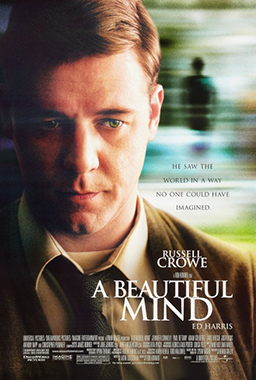
Ron Howard's A Beautiful Mind, released in 2001, stands as a significant entry in the realm of biographical dramas, interweaving the struggles of mental illness with the triumphs of genius. The film chronicles the real-life story of mathematician John Nash, whose groundbreaking work in game theory earned him a Nobel Prize, yet he battled debilitating schizophrenia. In the years since its release, A Beautiful Mind has garnered both acclaim and criticism, establishing itself as a Hollywood masterpiece that, while engaging and emotionally resonant, raises questions about historical accuracy and the representation of mental illness in cinema.
At its core, A Beautiful Mind captures the theme of resilience. As Nash navigates the turbulent waters of his mind, the film illustrates his unwavering commitment to his professional life and his fierce love for his wife, Alicia. Critics have noted that the film's portrayal of emotional struggles and academic brilliance is both powerful and heartfelt, often drawing audiences into the complexities of Nash's experience. Though some reviewers assert that the adaptation glosses over the more gruesome aspects of Nash's mental health, its emotional depth nevertheless fosters empathy for those grappling with similar challenges. This duality in representation invites viewers to celebrate not only the achievements of extraordinary minds but also the often hidden battles they must face.
Howard's adaptation has been both praised and critiqued for its execution. While the film's glossy presentation and crowd-pleasing elements appeal to mainstream audiences, some critics argue that it occasionally veers into a pedestrian retelling of Nash's life, prioritizing an uplifting narrative over a grounded portrayal of his struggles. The film has been described as engaging yet sometimes condescending, with its portrayal of mental illness offering a diluted view that falls short of the nuanced realities faced by those living with psychiatric conditions. Despite these criticisms, A Beautiful Mind remains an inspirational work, demonstrating the intricate balance between genius and the precariousness of mental health.
In contextualizing A Beautiful Mind within Howard's broader oeuvre, the film aligns with his tendency to craft narratives that delve into the human experience, exploring themes of determination and the quest for understanding. However, the film's historical inaccuracies raise pertinent discussions regarding Hollywood's responsibility in depicting real-life events and the lives of individuals grappling with mental illness. Critics have expressed concern that the film simplifies Nash's story, trading the profundity of his struggles for a more palatable cinematic experience. This highlights a tension in biographical storytelling, how to honor the truth of a person's life while remaining engaging enough for a wider audience.