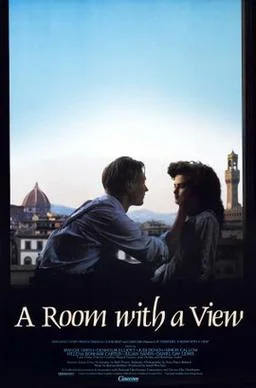
The 1986 film A Room with a View, directed by the esteemed James Ivory, stands as a significant entry within the realm of period dramas, celebrated for its lush visuals and intricate storytelling. Rooted in E.M. Forster’s novel, the film captures the essence of Edwardian society, placing characters in juxtaposition against the demands of social convention. This adaptation solidifies Ivory's reputation for exploring the nuances of class and personal freedom, contributing to the rich tapestry of independent cinema in the 1980s. It is not merely a romantic narrative but a profound exploration of the tension between societal expectations and the yearning for individual authenticity.
Critics have consistently lauded A Room with a View for its intellectual depth and passionate core. The film poignantly conveys the struggles of its protagonist, Lucy Honeychurch, as she traverses the complexities of love and self-discovery. The conflicting pulls of romantic desire and the rigid confines of social class serve as the backdrop for Lucy’s transformative journey. Her choice between the conventional but dull George Emerson, who represents passionate love, and the socially acceptable Cecil Vyse, who embodies societal expectations, illustrates the profound theme of love versus convention. This dichotomy serves as a critical exploration of individual will against the forces of tradition.
The film deftly navigates the intricacies of social class and the constraints it imposes on personal freedom. Through the vibrant landscapes of Italy, contrasted with the stifling environments of English society, Ivory crafts a narrative that encourages viewers to reconsider the restrictions of their own lives. Lucy’s awakening is not solely about romantic fulfillment; it is also a quest toward self-actualization that reflects the period's evolving perspectives on individuality. As viewers witness her struggle, they are invited to engage with their own conflicts regarding duty and desire.
Moreover, the film’s deliberate pacing and intellectual rigor enhance its status as a sophisticated piece of cinema. Ivory, in collaboration with producer Ismail Merchant and screenwriter Ruth Prawer Jhabvala, creates a world that is both lushly romantic and deeply critical. The cinematography highlights not just the beauty of the Italian landscape, but contrasts it with the stark realities of English propriety, further grounding the thematic exploration of freedom and individuality. Ultimately, the film’s ability to provoke thought and evoke emotion is a hallmark of Ivory’s oeuvre as well as a testament to its timeless relevance.
In retrospect, A Room with a View offers a compelling lens into the complexities of love and societal expectations, resonating with audiences striving for personal authenticity in a rapidly changing world. Its portrayal of self-discovery amidst the pressures of convention remains strikingly pertinent. The film stands not simply as a romantic tale, but as a thoughtful meditation on the interplay between freedom and social mores, a cinematic gem that captures the essence of human desire and the pursuit of truth.