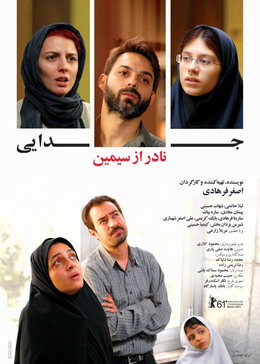
Asghar Farhadi's A Separation stands as a towering example of contemporary cinema that intricately weaves the personal with the societal, creating a narrative that resonates far beyond the borders of Iran. Released in 2011, the film gained international acclaim and won an Academy Award for Best Foreign Language Film, a milestone that established Farhadi as a significant voice in global filmmaking. By examining fractured familial relationships within the framework of Iranian society, Farhadi critiques the theocratic and patriarchal systems that often dictate personal choices and societal interactions. This film marks a critical moment in Farhadi's body of work, showcasing his ability to explore complex moral dilemmas against a backdrop of cultural and political realities.
The central storyline of A Separation revolves around the dissolution of a marriage as a couple, Nader and Simin, find themselves torn between personal aspirations and familial obligations. Their separation acts as a lens through which the broader tensions in Iranian society are illuminated, highlighting issues such as class disparity, the status of women, justice, and honor. Reviews consistently emphasize the film's intricate portrayal of human motivations that reveal both deeply rooted desires and painful compromises. Through a series of encounters with various characters, each contributing their own perspectives, the narrative encapsulates the pervasive social and cultural constraints that trap individuals within their circumstances.
Critics have lauded the film's compelling realism, describing it as both powerful and challenging in its representation of modern life in Iran. The emotional core of A Separation is not merely the end of a marriage but rather the acute examination of how secrets and lies intertwine with the pursuit of justice. Farhadi's storytelling is marked by an intensity that draws audiences into a world where personal and social fault lines are unrelentingly exposed. The film's format, rich in dialogue and interaction, allows viewers to witness the fluidity of truth and the complexity of honor, prompting a reflection on the barriers individuals face due to entrenched socio-political ideologies.
At its heart, A Separation serves as a contemporary tragedy that resonates universally through its exploration of familiar themes such as betrayal, loyalty, and the ambiguity of moral choices. The characters are not defined by absolutes; instead, they are layered, embodying the internal conflicts that define the human experience. This depth contributes to the film's absorbing narrative, as viewers are invited to navigate the turbulent waters of each character's motivations and the societal pressures that shape their actions. Farhadi's skilled direction and the superb performances of the cast contribute to an artistic expression that is thrilling and intimate, while simultaneously encouraging a broader conversation about the divisions that persist within Iranian society.
In conclusion, A Separation remains a pivotal piece of cinema that transcends its cultural origins, illustrating the intricate dynamics of human relationships amid the constraints of social, political, and religious contexts. It invites audiences to engage with the film not merely as a story set in Iran, but as a reflection on the challenges that confront each of us in the complexities of modern life. As a work of art, it captures the essence of contemporary tragedy in a manner that is both transparent and persistent, forging a connection between the specific and the universal, and reminding us that the struggle for understanding and empathy is a fundamental aspect of the human condition.