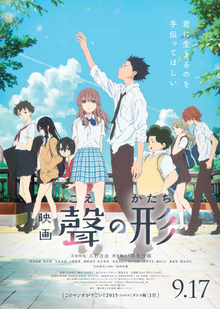
In the landscape of animated cinema, A Silent Voice: The Movie, directed by Naoko Yamada, stands as a poignant exploration of the complexities surrounding adolescence, disability, and the social ramifications of bullying. Released in 2016, the film is an adaptation of Yoshitoki Ōima's manga and showcases Yamada's distinct style, characterized by lush animation and deeply emotional storytelling. Anchored in Japan's rich tradition of animated films that delve into the emotional lives of its characters, Yamada's work exemplifies a careful blend of visual artistry and psychological depth, marking her evolution from her previous projects while also solidifying her position in the realm of sensitive and thought-provoking narratives.
At its core, A Silent Voice confronts the painful realities of bullying and the often-overlooked impacts it has on both the victims and perpetrators. The film follows Shoya Ishida, a boy plagued by guilt and self-loathing after tormenting his deaf classmate, Shoko Nishimiya, during their school years. As the narrative unfolds, it becomes clear that the journey toward redemption requires confronting one's own past and seeking forgiveness from those harmed. This theme resonates throughout the film, reminding viewers of the complex tapestry of human emotions where regret and hope interweave, making it both evocative and relatable.
Critics have praised A Silent Voice for its honest portrayal of disability and the social obstacles that accompany it. Through its nuanced characterizations, the film illustrates the challenges faced by Shoko, who grapples with the isolation brought on by her hearing impairment. The film's animation complements this emotional depth, with every frame thoughtfully crafted to evoke the characters' internal struggles. Shoya's transformation from a bullied child into a self-aware adolescent is depicted with sensitivity, offering a vivid portrayal of the turmoil associated with guilt and the pursuit of making amends.
The reception of A Silent Voice reflects a critical consensus that appreciates its lush visuals paired with an emotionally charged narrative. Reviewers highlight the film’s ability to encapsulate the weight of adolescent experiences, notably the feelings of shame and the quest for forgiveness that define Shoya and Shoko's relationship. Although some criticisms address the pacing, citing moments where the storytelling can feel sluggish, these aspects often serve to enhance the film's reflective nature, encouraging viewers to fully engage with the characters' growth.
Ultimately, A Silent Voice: The Movie stands out not just as an animation but as a significant commentary on the struggles of youth. The exploration of redemption amid the shadows of guilt and self-loathing resonates universally, showcasing the pivotal importance of understanding and accepting one another. In a world that often rushes past moments of introspection, Yamada's film invites viewers to pause, reflect, and embrace the complex layers of human connection, making it a vital piece in contemporary cinema that speaks to generations of audiences.