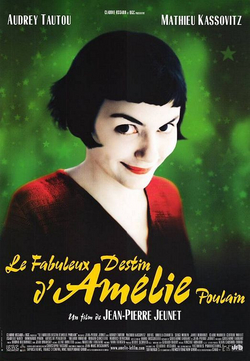
Amélie, directed by Jean-Pierre Jeunet, is often celebrated as a modern fairytale that captures the enchanting essence of Parisian life. Released in 2001, this film stands out within Jeunet's oeuvre, showcasing his distinctive style filled with whimsical narratives and vivid aesthetics. Known for his previous works like Delicatessen and The City of Lost Children, Jeunet continues to explore the complexities of human emotion through a lens that is both candy-colored and surreal. The film marks a pivotal moment in cinema history, particularly in the early 2000s, as it brought a resurgence of interest in romantic, fantastical stories set against the backdrop of urban life.
Critical consensus around Amélie tends to resonate with the film’s ability to blend whimsy and romance effortlessly, creating a tapestry of experiences that is both lighthearted and winsome. The narrative follows the titular character as she embarks on a series of charmingly mischievous acts to improve the lives of those around her while navigating her own journey of self-discovery and love. The film’s dazzling aesthetic, characterized by its vibrant palette and imaginative cinematography, creates an inviting world that feels simultaneously fantastical and intimately familiar to anyone who has wandered the streets of Paris.
Yet, beyond its surface charm, Amélie has sparked debate about its more self-indulgent themes. Critics have pointed to a certain smugness in its presentation, suggesting that the film sometimes seems overzealous in its self-infatuation. The character of Amélie, portrayed delightful by Audrey Tautou, can be seen both as an embodiment of innocence and as a figure who manipulates her surroundings in pursuit of her ideals. This duality has prompted discussions about the ethics of her whimsical interventions, forcing audiences to consider the boundaries of personal happiness when intertwined with the lives of others.
In the broader context of cinematic storytelling, Amélie serves as both a love letter to Paris and a commentary on the often-clouded lives of its inhabitants. The film’s enchanting vision of city life, complete with its eclectic characters and serendipitous moments, highlights the romantic notion that every life holds the potential for a story worth telling. As viewers traverse through the streets of Montmartre alongside Amélie, they are reminded of the enduring allure of romance and the magic of small acts of kindness that can brighten even the dullest days.
In conclusion, Amélie remains a seminal film that encapsulates a whimsical spirit while also inviting reflection on its deeper implications. Jeunet's ability to intertwine romance with an appreciation of the everyday nuances of life stands as a testament to the film's enduring popularity. As it continues to resonate with audiences around the world, Amélie firmly establishes itself as a pivotal work in the realm of romantic cinema, one that invites us to find enchantment in the seemingly mundane.