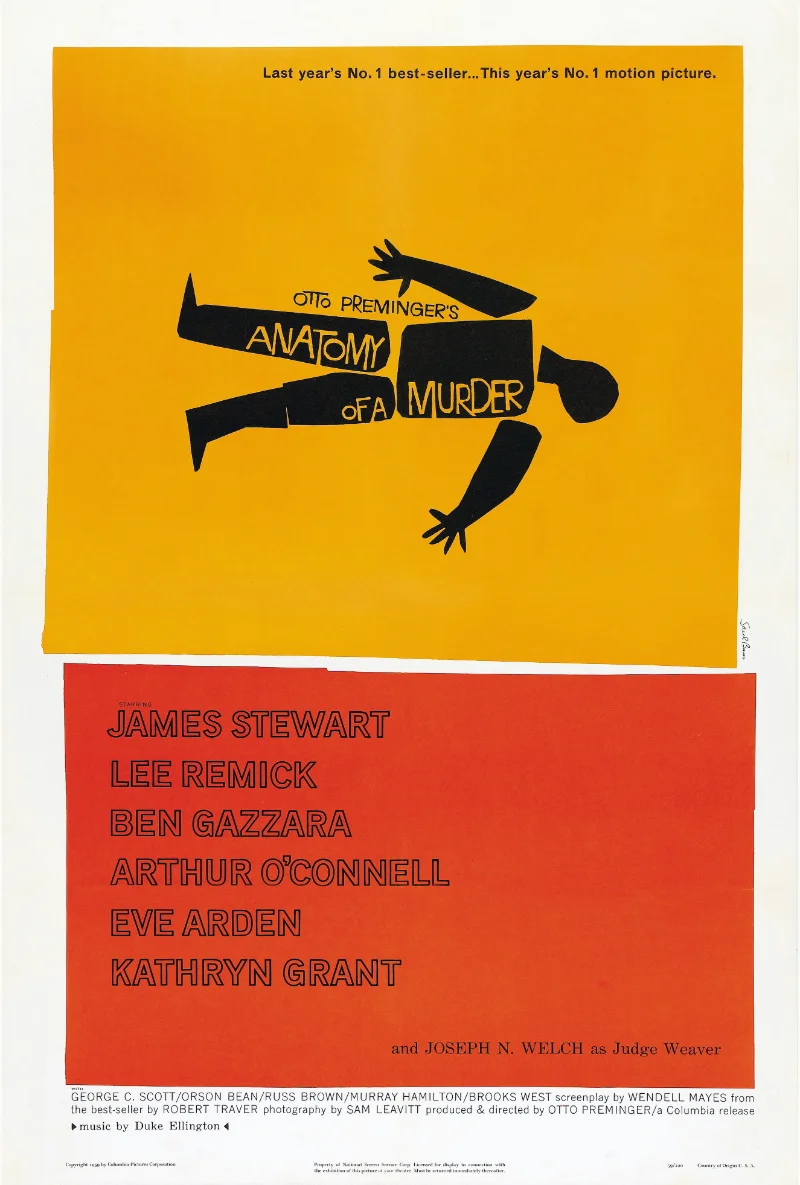
Anatomy of a Murder, directed by Otto Preminger in 1959, stands as a pivotal moment in the history of courtroom dramas, showcasing a blend of legal ethics and the intricacies of the American justice system. Preminger, known for his unflinching examination of moral complexities in films like Laura and The Man with the Golden Arm, delivers a masterful narrative that is both taut and absorbing. With this film, he breaks ground in the genre, presenting not just a story of a murder trial, but an exploration of the human psyche, societal norms, and the often-disquieting quest for justice. The film's distinctive flavor is enhanced by a score from Duke Ellington, adding layers of emotion that resonate throughout the narrative.
At the heart of Anatomy of a Murder lies a fierce examination of legal ethics, as it unravels the motives behind a man's actions and the intricacies of defending him in court. James Stewart’s portrayal of Paul Biegler, a defense attorney grappling with personal demons while trying to achieve an acquittal for his client, exemplifies a nuanced performance that reflects the film's intellectual depth. Critics frequently laud the film as the archetype of the courtroom drama genre, praising its fiercely austere presentation that remains gripping even in its quieter moments. The script, co-written by Wendell Mayes, cleverly blurs the lines between right and wrong, forcing viewers to ponder the true nature of justice.
The film's critical reception has long recognized it as a benchmark in cinematic achievements, often described as one of the best trial movies ever made. Reviewers emphasize its analytical approach to the legal system, providing an honest glimpse into courtroom procedures while challenging viewers' perceptions of morality and truth. Each character is intricately crafted, with motivations that are compelling rather than unidimensional. This complexity is what many find most absorbing; the audience is drawn into a world where performances thrive not solely for entertainment, but as a reflection of societal values and ethical dilemmas.
In an era often characterized by sensationalism, Preminger’s work is a shrewdly attenuated portrayal of a controversial subject. By handling the themes of justice and ethics with such care, it confronts viewers with uncomfortable questions about culpability and the societal implications of legal outcomes. As the film unfolds, it becomes not just about the crime committed but about the very foundations of justice itself. In this light, Anatomy of a Murder becomes a remarkable anomaly, a film that captivated audiences while also challenging their assumptions and beliefs.
Ultimately, Anatomy of a Murder remains a relevant piece of cinema that reflects ongoing discussions within the justice system. Its gripping narrative, masterful performances, and shrewd handling of complex themes ensure that it will continue to be a topic of discussion among film enthusiasts and legal scholars alike. Otto Preminger’s film not only entertains but serves as a lasting exploration of the moral ambiguities that underline human behavior, making it an essential viewing experience that transcends its time.