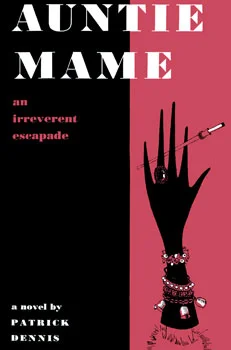
The 1958 film Auntie Mame, directed by Morton DaCosta, stands as a vibrant testament to the era's cinematic exploration of individuality and resilience, echoing the larger cultural currents of mid-twentieth century America. Adapted from Patrick Dennis's novel and initially a successful Broadway play, the film presents a charming and eccentric narrative centered around Mame Dennis, a free-spirited aunt who embraces life with a delightful flamboyance. DaCosta, known for his adeptness at adapting theatrical works for the screen, successfully captures the bohemian spirit that Mame embodies, all while skillfully balancing the project's nostalgic allure with its contemporary themes of self-discovery and community.
Critics and audiences alike have consistently celebrated Auntie Mame for its portrayal of the intricate bonds that define family and friendship. The film highlights Mame's unwavering commitment to her young nephew, Patrick, as she navigates the challenges of raising him amid a backdrop of societal expectations. This familial love fuels the narrative and propels Patrick's journey toward self-empowerment, offering a glimpse into the transformative power of generosity and adventure in shaping one's identity. Mame's character is a beacon of hope, encouraging both her nephew and the audience to embrace the fullness of life, underscoring the resilience necessary to pursue one's dreams.
The film is also an escape into a world defined by its artistic community and bohemian lifestyle, where the joys of life are fully realized through flamboyant gatherings and unorthodox values. The glamorous settings and vibrant costumes reflect not only Mame's eccentricity but also the artistic ethos of the time, creating an inviting escape from the constraints of conventionality. This focus on adventure and creativity resonates throughout the film, evoking feelings of nostalgia for a time when lifestyle choices were seen as an expression of individuality rather than mere societal norms.
Moreover, Auntie Mame artfully unfolds its themes of the American Dream, illustrating the potential for reinvention and personal legacy in the post-war era. Mame's journey through various social circles represents the boundless possibilities available to those willing to break away from traditional expectations. Each relationship and experience enriches not only her life but also those around her, fostering a genuine sense of community that contrasts markedly with the era's increasing conformity. Mame's indomitable spirit becomes a standard for resilience, inspiring audiences to embrace their uniqueness and pursue their own quests for fulfillment.