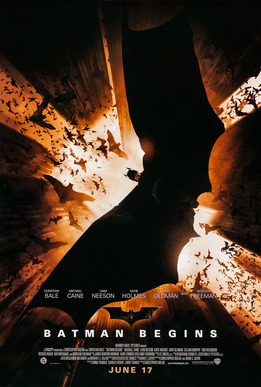
Christopher Nolan's Batman Begins emerged in 2005 as a pivotal entry in the superhero genre, revitalizing the depiction of comic book characters on screen and reshaping the landscape of modern cinema. The film serves as the first installment of Nolan's renowned Dark Knight Trilogy, establishing a darker, more psychologically complex world compared to its predecessors. While the earlier Batman films leaned into a campy aesthetic, Batman Begins introduced a gritty realism that resonated with both audiences and critics. This evolution marked a significant shift in how superhero stories were conceived, emphasizing origin narratives that prioritize character development and emotional depth.
Central to Batman Begins is its rich exploration of the origin story of Bruce Wayne, a character grappling with profound psychological scars stemming from his childhood trauma. Nolan deftly interweaves elements of fear, loss, and the longing for justice that coalesce into Wayne's transformation into Batman. This psychological journey is both compelling and relatable, providing a backdrop against which themes of vigilantism and the moral ambiguity of heroism are examined. The film challenges viewers to confront the nature of fear, not only as it affects Bruce but also as it shapes the citizens of Gotham City, whose lives are influenced by the very presence of a vigilante seeking to combat the chaos that engulfs them.
The tone of Batman Begins can be described as dark, brooding, and even gloomy, evoking a sense of crepuscular foreboding that blankets Gotham. Cinematographer Larry Fong's muted color palette and the nocturnal settings contribute to this atmosphere of remote desolation, reinforcing the film's stark realism. Nolan's approach reflects a desire to ground the story in a perceived reality, giving rise to a world that is both entertaining and unsettling. The film manages to walk a thin line between dark dramatic narratives and blockbuster sensibilities, appealing to both mainstream audiences and critics seeking substance alongside spectacle.
Critically, Batman Begins has received acclaim for its sophisticated treatment of the themes surrounding vigilantism. Bruce Wayne’s motivations are explored with nuance; the tension between his moral convictions and the necessity of operating outside the law prompts discussions regarding the ethical implications of extreme measures taken in the name of justice. Nolan’s characterization of Batman is not merely a response to crime but is also a manifestation of his inner conflicts, bringing a psychological depth that was previously unexplored in superhero cinema. This layer of complexity has paved the way for a broader appreciation of the genre, encouraging filmmakers to delve deeper into the psyche of their characters, rather than simply portraying them as archetypes.
Ultimately, Batman Begins stands as a cornerstone of Christopher Nolan’s filmography, showcasing his trademark ability to combine cerebral storytelling with commercially viable entertainment. The film not only launched a successful trilogy but also influenced a wave of subsequent superhero films, many of which sought to adopt its darker tone and deeper character explorations. As such, it has become an essential reference point for both fans and critics, cementing its legacy as a benchmark for the evolution of superhero narratives in cinema.