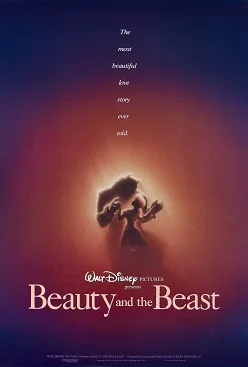
Released in 1991 and directed by Gary Trousdale and Kirk Wise, Beauty and the Beast stands as a landmark in animation history, marking a pivotal moment for Disney and the wider cinematic landscape. At a time when the company was navigating the transition between traditional hand-drawn animation and the growing influence of computer-generated imagery, this film not only reaffirmed Disney's status as a leader in the animation genre but also established a new benchmark for storytelling in family entertainment. The film expertly combines rich visuals, a captivating narrative, and memorable music, resulting in a magical experience that resonates across generations.
Critics are united in their praise for Beauty and the Beast, often citing its enchanting atmosphere, beautiful set design, and innovative animation techniques. The film draws from classic fairy tale roots and imbues them with a contemporary sensibility, bringing forth themes of love, transformation, and the power of inner beauty. The juxtaposition of the beast's eerie castle and the charming village life provides a striking visual spectrum, engaging viewers both young and old. Its heartfelt narrative, underscored by a charming sense of wit, allows for a refreshingly simple yet profound exploration of romance, underlining the notion that true love often requires seeing beyond the surface.
The heart of the film rests upon its memorable characters, particularly Belle, whose spirited independence and compassion resonate with audiences. The transformation of the Beast from a feared monster to a figure of love and vulnerability captures the film's central theme of redemption, articulating the belief that humanity can be found beneath even the most forbidding exterior. Such themes lend Beauty and the Beast an ageless quality, allowing it to transcend time, while simultaneously reinforcing its place within the pantheon of classic fairy tales.
Musically, the score and songs composed by Alan Menken and Howard Ashman contribute to the film's emotional weight, elevating poignant moments and adding layers to character development. The iconic ballad "Beauty and the Beast" encapsulates the essence of the story and remains a timeless piece that echoes through the film's very fabric. This careful melding of music with narrative, both innovative and timeless, further cements the film's legacy as not merely a piece of entertainment, but a transformative experience steeped in musical craftsmanship.
As we look back on Beauty and the Beast, it becomes clear that its impact extends beyond the bounds of traditional animation. It showcases the capability of animated films to tackle complex themes and provide emotional depth, exemplifying a shift in how narratives could be woven to appeal to diverse audiences. The film remains a testament to Disney's artistry and ingenuity, celebrating the joy of storytelling while reinforcing the notion that true beauty lies within. Its legacy teaches us that through connection, empathy, and understanding, we can transform our perceptions and, ultimately, our lives.