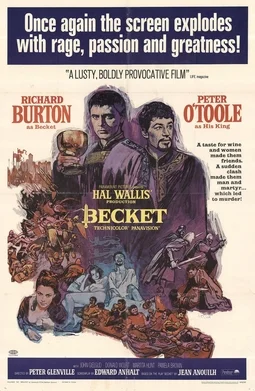
Released in 1964, Becket, directed by Peter Glenville, stands as a compelling entry in the realm of historical dramas, offering not only a glimpse into the tumultuous relationship between Thomas Becket and King Henry II but also presenting a vivid tableau of friendship and power struggles set against the backdrop of religious conflict. This film arrives as an important exploration of loyalty and ambition, underscoring the challenges faced by its characters as they navigate the complex intersection of faith and governance.
Critical consensus around Becket often highlights the film's potent character dynamics, particularly the verbal duels that define the relationship between its two leads, Richard Burton as Becket and Peter O'Toole as Henry II. Their performances garner the highest recognition, contributing to numerous Academy Award nominations for the film. However, the film is not without its detractors, who note moments of historical inaccuracy that may hinder its intended dramatic impact. This tension between compelling storytelling and historical fidelity invites the viewer to ponder the essence of truth in the retelling of history.
As cinema has evolved, the appreciation for Becket has been amplified by contemporary efforts towards restoration and preservation. The recent re-release showcases not only the film's dazzling cinematography and art direction but also underlines the challenges faced in archival film efforts. Restoration processes can reveal previously unnoticed details while simultaneously exposing the film to scrutiny regarding its fidelity to the historical narrative it seeks to portray. Such efforts signal a broader commitment to preserving cinematic treasures that might otherwise fade into obscurity.
Moreover, the narrative threads within Becket reflect broader societal struggles that resonate through the centuries, particularly the tensions within the royal family and the institutions of power that govern them. The film's exploration of friendship entwined with betrayal brings forth unexpected trouble, encapsulating the emotional rawness of human relationships during a time of upheaval. Despite being labeled as error-strewn by some modern critiques, these thematic elements ensure that it remains a thoughtful examination of ambition and moral conflict.
Ultimately, the restoration of Becket serves as a reminder of the importance of historical preservation in cinema, allowing new generations to engage with the complexities of this narrative. In a time when discussions surrounding power and faith continue to shape modern society, the enduring legacy of Glenville's film invites audiences to reflect upon these themes anew, celebrating both the artistry and the archival challenges inherent in preserving such a significant work. The film's return to the limelight illustrates how cinema can bridge past and present, sparking renewed conversations on topics that have long captivated human imagination.