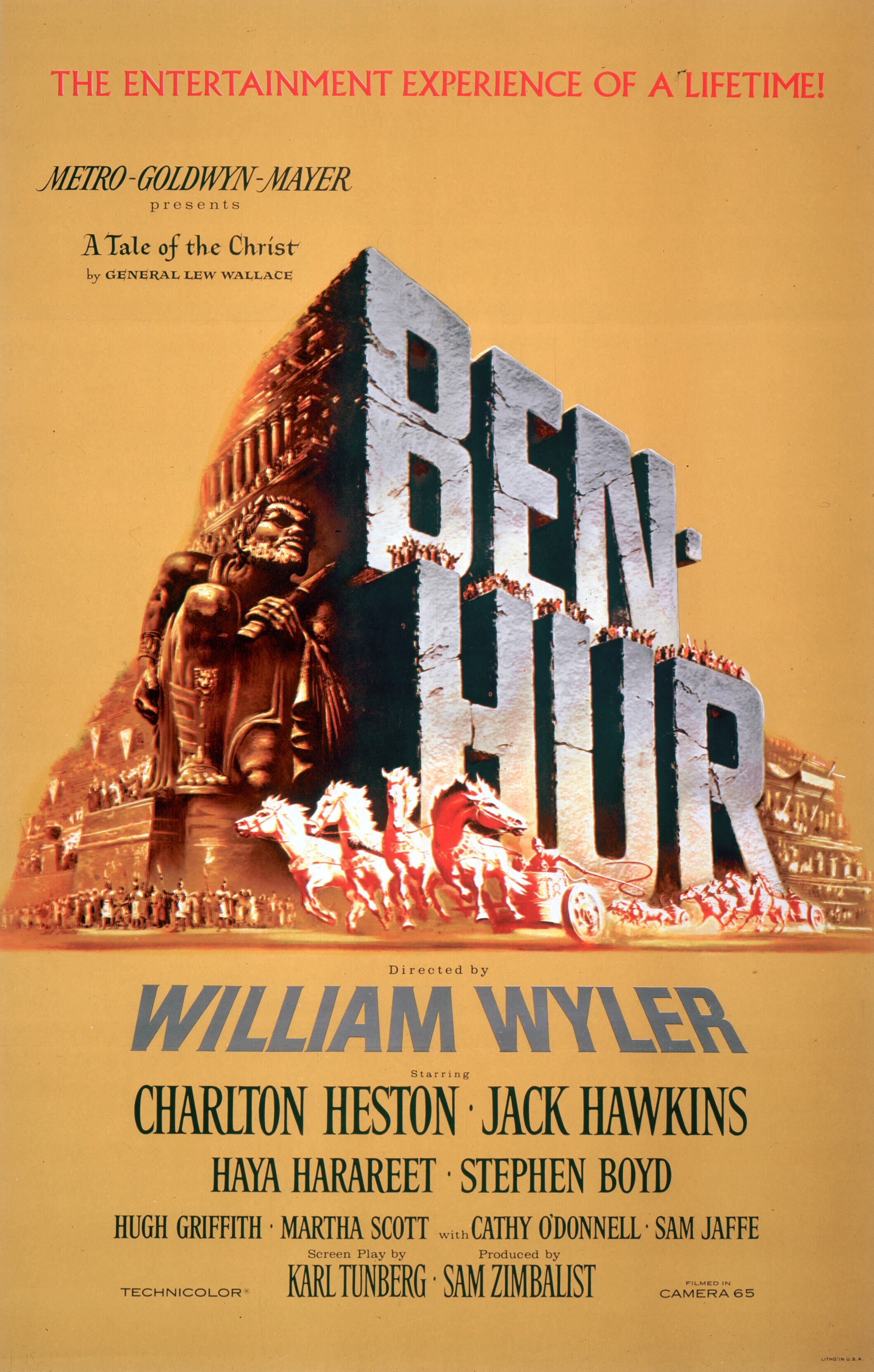
William Wyler's Ben-Hur holds a distinguished place in cinema history as a grandiose biblical epic and a culmination of Hollywood's golden age of spectacle. Released in 1959, this remake of the silent film from 1925 combines unprecedented production scale with rousing action sequences, marking a bold vision that focuses on themes of redemption and faith against the backdrop of the Roman Empire. Wyler, known for his ability to convey deep human emotions, stretches these themes across a canvas both magnificent and overwhelming, making the film a significant paragon of both his directorial prowess and the era's cinematic ambition.
Critics and audiences have long debated the merits of Ben-Hur, terming it a magnificent box office hit while also acknowledging its bloated aspects. The film has often been described using descriptors like behemoth and grandiose, reflecting not only its lengthy runtime but also its heavyset charms and rich production history. With an emphasis on the iconic chariot race, which is the film's centerpiece, Wyler manages to create a sequence that remains emblematic of cinematic action, intense, thrilling, and masterfully choreographed. This sequence alone exemplifies how Ben-Hur anchors itself in nostalgia while serving as a spectacle that is both engaging and exhausting, a true bum-numb-er.
The pacing of Ben-Hur has been criticized for its unevenness, and the film's tone oscillates between moments of grand despair and triumphant revelation. Some have likened it to a sacred text, a religious epic that struggles under the weight of its own ambition. The dramatic arcs are at times overshadowed by the sheer visual splendor and production scale, leading to a tension between storytelling and spectacle. While the film excels in its depiction of the ancient world, it occasionally falters in sustaining dramatic momentum outside its key action sequences.
As a remake, Ben-Hur evokes a sense of reverence for its predecessor while simultaneously establishing a classic status of its own. It has become a touchstone in discussions about faith-based cinema and the legacy of traditional Hollywood filmmaking. Its influence can be felt across genres and eras, cementing its place as a definitive example of the epic scale that characterized early blockbusters.
Ultimately, Ben-Hur stands as both a remarkable achievement and a critique of the tendencies of its time. It is a film that invites contemplation on its legacy, a reminder of the power of cinema to evoke both nostalgia and awe. With its compelling visuals, iconic sequences, and poignant themes, it remains a significant work worthy of continued study and appreciation.