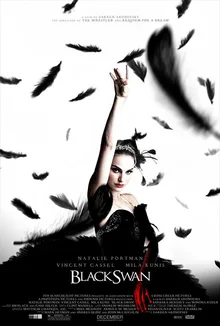
In the pantheon of modern psychological thrillers, Darren Aronofsky’s Black Swan stands out as a harrowing exploration of artistic obsession and the relentless pursuit of perfection. Following the trajectory of Aronofsky’s earlier works, like Requiem for a Dream, this film delves into the darker recesses of the human psyche, presenting a tale that is as visually arresting as it is profoundly unsettling. The narrative follows Nina Sayers, portrayed by Natalie Portman, a gifted ballerina consumed by her quest to secure the lead role in a production of Tchaikovsky's "Swan Lake." The film's exploration of the duality of her character embodies the intense scrutiny of personal sacrifice that often accompanies the pursuit of artistic greatness.
Critics have lauded Black Swan for its powerful examination of mental deterioration as Nina’s obsession escalates. The film oscillates between moments of melodramatic intensity and absurdity, effectively mirroring Nina's inner turmoil. As she navigates the cutthroat world of ballet, her reality blurs, leading to a visceral descent into madness. Aronofsky employs a visceral visual style that heightens the sense of dread and showcases the ugliness that often lurks beneath the surface of beauty. The duality of the swan, innocent and fragile versus manipulative and dark, serves as a poignant metaphor for Nina’s internal conflict, reinforcing the melodramatic stakes of her journey.
The critical consensus highlights the film’s potent themes of sacrifice and the cost of perfection in artistic expression. Many reviewers note that Black Swan serves as a cautionary tale, illustrating how the obsessive pursuit of excellence can lead to one's undoing. Nina’s physical and psychological deterioration mirrors the extraordinary demands of her craft, compelling viewers to interrogate the fine line between passion and obsession. The film raises essential questions about the lengths to which artists are willing to go in the name of their art and the existential toll this pursuit may exact.
Aronofsky’s ability to meld intense emotional stakes with visceral horror has cemented Black Swan as a significant entry in both his filmography and the broader landscape of contemporary cinema. The film is not merely an artistic statement; it is a visceral exploration of the sacrifices artists make for their calling, laid bare through a lens that oscillates between the grotesque and the profound. As Nina spirals deeper into her own psyche, the audience is left to grapple with the disturbing implications of her journey, beckoning us to consider our own definitions of success in an increasingly demanding world. Ultimately, Black Swan resonates as a complex, haunting portrait of the cost of artistry, ingeniously combining intensity and absurdity to illuminate the fragile balance between creation and destruction.