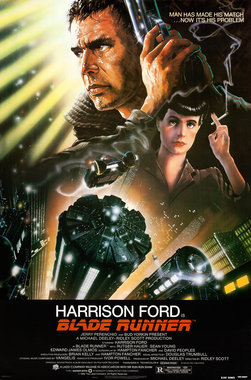
Released in 1982, Ridley Scott's Blade Runner stands as a seminal achievement in cinema, marking a transformative moment in the science fiction genre. Blending elements of noir with dystopian themes, the film showcases a future where the boundaries between humanity and artificial intelligence blur in unsettling ways. Within Scott's extensive body of work, Blade Runner exemplifies his visionary approach to storytelling, evoking a sense of introspection through imagery that transcends conventional narratives. The film’s striking visual achievement, steeped in atmospheric detail, invites viewers into a world that feels both extensive and claustrophobic, futuristic yet familiar.
Critics have often heralded Blade Runner for its ambitious visual storytelling, characterized by overwhelming special effects that define its cyberpunk aesthetic. The film immerses its audience in a rain-soaked, neon-lit Los Angeles, a setting that not only establishes the tone but also serves as a poignant commentary on consumerism and existential anxiety. However, it is not without its criticisms; some argue that the story lacks a cohesive narrative drive despite the complexity of its themes. This tension between narrative clarity and visual spectacle enriches the film's enigmatic quality, leaving viewers with profound questions about identity, morality, and what it means to be human.
At its core, Blade Runner grapples with the moral consequences of artificial intelligence and the nature of humanity. The replicants, biologically engineered beings designed to serve humans, evoke empathy, challenging the audience’s understanding of life and consciousness. This exploration of humanity versus technology forms the essence of the film's conflict, as the protagonist, Rick Deckard, faces profound ethical dilemmas that resonate with contemporary discussions about artificial intelligence. The film's portrayal of replicants as more human than their creators serves as a haunting reminder of our responsibilities towards sentient beings, a theme that remains increasingly relevant today.
The film's influence on cinema is undeniable, securing its place in the annals of cinematic history as a classic that inspired innumerable filmmakers and artists across various media. Its legacy is further enhanced by the subsequent release of different cuts, each offering fresh interpretations of the material and its themes, ultimately adding layers to Scott's exploration of identity and morality. With its rich tapestry of visual clarity and noir elements, Blade Runner encapsulates a future-noir aesthetic that continues to inspire and challenge audiences decades after its initial release.
In conclusion, Blade Runner is not merely a film about a dystopian future; it functions as a mirror reflecting our own anxieties and desires concerning technology and what it means to be human. Scott's visionary direction melds striking visuals with thought-provoking themes, inviting viewers to engage with its narrative on multiple levels. As we continue to navigate an increasingly complex relationship with artificial intelligence, Blade Runner serves as both a cautionary tale and an artistic milestone, reminding us of the delicate balance between awe and ethical responsibility.