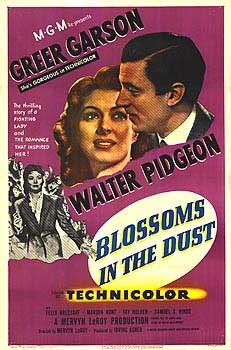
Blossoms in the Dust, released in 1941 and directed by Mervyn LeRoy, occupies a significant place within the tapestry of American cinema, particularly in the representation of women’s struggles and social issues of the early 20th century. LeRoy, known for his ability to blend strong narratives with compelling performances, uses this film to highlight the plight of unwed mothers and the societal prejudices they faced. Positioned within a time when Hollywood was beginning to shift toward more progressive themes, the film showcases LeRoy's commitment to social justice while still adhering to the conventions of melodrama, which was prevalent in his body of work.
The film stars the formidable Greer Garson, whose portrayal of Edna Gladney brings depth and nuance to a character who becomes a pioneering figure in advocating for orphaned children and unwed mothers. Critical consensus recognizes Garson's performance as pivotal, showcasing her emotional range as she navigates profound sorrow and eventual empowerment. Blossoms in the Dust is based on the true story of Edna Gladney, and this biographical element infuses the narrative with authenticity, allowing audiences to connect with the character’s journey against societal norms and personal adversities.
At its core, Blossoms in the Dust reflects themes of love, loss, and resilience. Reviews have noted that the film doesn’t shy away from illustrating the heart-wrenching realities faced by its characters, yet it simultaneously uplifts the human spirit through virtue and compassion. The film serves as both a historical account and a call to action for viewers, encouraging a revised perspective on social stigmas associated with motherhood and family dynamics. As Edna fights for the rights of children and challenges the status quo, the film emphasizes the importance of advocacy in creating social change, a theme that resonates strongly throughout the decades.
Additionally, the cinematography and music further enhance the emotional weight of the film, allowing viewers to immerse themselves in the highs and lows of Edna's journey. Critics have commended LeRoy’s ability to blend dramatic visuals with evocative score, which aids in transforming personal sorrow into universal themes of courage and reform. Above all, Blossoms in the Dust stands as a testament to the resilience of women in the face of societal challenges, making it not just a film of its time but a relevant narrative that continues to inspire discussions around motherhood and societal acceptance.
Despite being released over eight decades ago, Blossoms in the Dust carries a timeless message, evoking reflections on issues still prevalent today. As audiences continue to confront similar issues regarding women’s rights and societal acceptance, the film remains a poignant reminder of the ongoing fight for equality and understanding. In a world still grappling with these themes, Mervyn LeRoy’s film is as relevant now as it was upon its release, compelling viewers to engage with its emotional depth and societal implications.