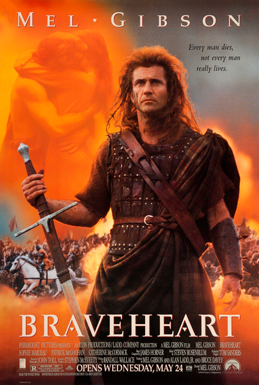
Directed by Mel Gibson and released in 1995, Braveheart stands as a cinematic masterpiece that intertwines themes of freedom, revenge, leadership, betrayal, and sacrifice. This film not only cemented Gibson's reputation as a prominent director following his early success as an actor but also redefined the historical epic genre for a new generation. With its sweeping landscapes and intense battle sequences, Braveheart offers a visceral experience that speaks to both the physical and emotional struggles of its characters, set against the backdrop of Scotland's fight for independence from English rule.
Critically acclaimed for its grandeur and emotional depth, Braveheart resonated with audiences worldwide, sparking discussions around notions of heroism and martyrdom. Reviewers often highlight the film's exploration of personal and collective freedom, as William Wallace, portrayed by Gibson, becomes both a symbol of rebellion and a tragic hero whose quest for vengeance ultimately leads to his sacrifice. The gritty violence depicted throughout the film serves as a harsh reminder of the brutal realities of war, yet it is also interwoven with moments of profound patriotism and camaraderie, showcasing how these battles shape not just a nation, but the very characters involved.
The critical consensus acknowledges the film as an epic narrative that balances a sweeping tale of love, loss, and desire for freedom with the raw and gritty elements of medieval warfare. Each clash between Wallace and the forces of King Edward I illustrates a broader theme of leadership and the complexities that accompany it. Reviews point out how Wallace's relentless pursuit of justice is often juxtaposed with the treachery he encounters, revealing the heart-wrenching nature of betrayal in the pursuit of noble causes. These themes strike a chord not only within the historical context of the film but resonate through the ages, as they echo contemporary struggles for freedom against oppression.
Moreover, the performances in Braveheart add layers to its already rich narrative. Mel Gibson's fervent portrayal of Wallace connects emotionally with viewers, inviting them to invest in his journey filled with heartache and heroism. The film also benefits from a strong supporting cast, whose portrayals amplify the emotional stakes and reveal the various shades of loyalty and sacrifice that emerge in the face of tyranny. The collective commitment of these characters to a shared vision ultimately reflects the profound sense of unity that resonates within a community fighting for its freedom.
In summary, Braveheart not only serves as an exhilarating adventure through a pivotal historical moment but also delves into the intricate dynamics of love, loyalty, and the price of freedom. Its impact on filmmaking can still be felt, inspiring subsequent generations of filmmakers to explore grand narratives imbued with raw human emotion. As a testament to its enduring legacy, Braveheart continues to provoke thought and invite reflection on the very essence of bravery in the pursuit of justice.