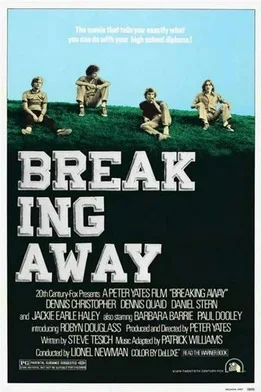
In the landscape of late 1970s cinema, few films resonate as deeply as Breaking Away, directed by Peter Yates. Positioned amid a wave of coming-of-age narratives, this film distinguishes itself through its rich exploration of small-town life, the tumult of self-identity, and the tangled relationships that define family dynamics. Yates, who had previously helmed dramas that captured personal and societal struggles, blends humor and poignancy in Breaking Away, creating a heartfelt reflection on youth and aspiration that feels both original and resonant. The film became a critical darling, earning an Academy Award for Best Original Screenplay, marking a pivotal moment in Yates's career and in the broader tapestry of American filmmaking.
Critically acclaimed for its intelligent portrayal of working-class challenges, Breaking Away centers on the journey of Dave, a young man on the brink of adulthood, navigating the complexities of friendship, class conflict, and personal ambition. Set against the backdrop of Bloomington, Indiana, the narrative encapsulates the pressures of small-town life while also exploring the liberating thrill of sports, particularly cycling. This coming-of-age story unfolds with an honesty that captures the nuances of growing up and searching for one's place in a world often dictated by social and economic hierarchies. The film's character-driven storytelling elicits a range of emotions, from laughter to heartbreak, cementing its status as a beloved classic.
The film's emotional depth is further enhanced by its endearing portrayal of family relationships and the universal desire for connection. Through nuanced performances, especially from the youthful ensemble cast, Breaking Away captures the essence of friendship as a sanctuary from the pressures of life. The interactions between Dave and his friends, as well as between him and his family, reveal the conflicts between personal dreams and familial expectations, adding layers of complexity to the narrative. This dynamic creates a rich tapestry that feels simultaneously specific to its time and universally relatable, illustrating the timeless struggle for identity amidst external pressures.
Moreover, Breaking Away holds a mirror to the realities of class struggle, presenting a nuanced critique of the American Dream. Dave's aspiration to be a cyclist, coupled with his working-class background, embodies the conflicts and dreams of a generation searching for meaning and escape. The film captures these themes through its vibrant cinematography and spirited pacing, making it not only a poignant story about a young man's quest for freedom but also a commentary on the socio-economic landscape of America at the time. Yates's directorial choices underscore the gritty yet hopeful atmosphere of the film, ensuring its legacy within the film canon remains impactful and relevant.
In retrospect, Breaking Away serves as a testament to the power of storytelling in cinema, highlighting Yates's artistic integrity and commitment to portraying authentic human experiences. It stands out as a significant work that not only entertains but also invites contemplation about class, identity, and the pursuit of dreams. As a touchstone for the genre, it inspires hope and reflection, ensuring that its themes of friendship and personal growth resonate with new generations of viewers. Through its accolades and continued relevance, Breaking Away has firmly established itself as a film that captures the essence of growing up, leaving an indelible mark on the legacy of American cinema.