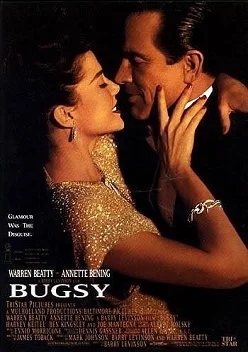
Bugsy, directed by Barry Levinson, occupies a distinctive place within both the canon of gangster films and the broader trajectory of Levinson's directorial career. Released in 1991, the film explores the life of infamous mobster Benjamin "Bugsy" Siegel, a pivotal figure in the development of Las Vegas as a gambling capital. Levinson, noted for his nuanced storytelling and character-driven narratives, intertwines themes of ambition and romance within a lush, glamorous environment, establishing Bugsy as a richly detailed portrait of a man deeply entangled in the elaborate dance between the allure of Hollywood and the sobering reality of a violent life in organized crime.
At the heart of Bugsy lies a juxtaposition of gangster life and Hollywood glamour, a theme that evokes both admiration and criticism. The film portrays Siegel as a passionate and ambitious dreamer, eager to transform the arid Nevada desert into a glittering haven of entertainment. This vision contrasts starkly with the violent lifestyle that defined his existence. While many reviewers have noted the film's propensity to romanticize bugsy's life, others have pointed out the underlying tension in his relationships, suggesting that the pursuit of fame and fortune can be both haunting and tragically innocent. Levinson captures this duality through elegant cinematography and a dynamic score, imbuing even the most mundane scenes with a sense of grandeur that both enchants and exhausts the viewer.
Critically, the reception of Bugsy has been a mixed bag, resonating with audiences who appreciate its stylish homage to a bygone era, yet often garnering critiques for its slower pacing, which can feel tiresome to some. The film's romantic threads, notably Bugsy's tumultuous relationship with Virginia Hill, bring a level of complexity to his character that invites empathy. These moments of intimacy are handled with an understated grace, allowing audiences to glimpse the vulnerability that lay beneath Bugsy's hardened exterior. Although some reviewers have dismissed certain narrative choices as overly sentimental, the elegance of the performances, particularly from Warren Beatty and Annette Bening, lends a certain charm to the film’s more romantic escapades.
Ultimately, Bugsy serves as a reflection of how ambition can be both a driving force and a destructive influence. Levinson’s portrait of Bugsy Siegel is not merely a recounting of events, but an exploration of the darker side of the American dream, where glamour can be blinding, and the pursuit of greatness often comes with dire consequences. As with many of Levinson's works, Bugsy endeavours to evoke a sense of nostalgia while simultaneously critiquing the very foundations it is built on. It speaks to the extravagant aspirations of its characters, yet also reminds viewers of the inevitable cost of such dreams in the world of crime and ambition.