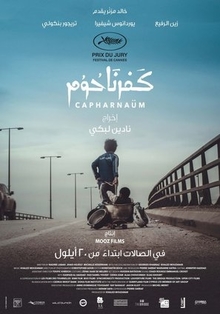
In the landscape of contemporary cinema, Nadine Labaki's Capharnaüm stands out as a deeply humanistic examination of life's harsh realities, particularly through the lens of childhood and systemic poverty. Labaki, who has established her voice in film with a focus on social issues, channels a raw and gripping narrative in this 2018 release that revolves around a young boy, Zain, as he navigates a chaotic world marked by neglect and desperation in Beirut. The film's documentary-style approach and deep emotional resonance make it a pioneering work that not only entertains but forces audiences to confront uncomfortable truths about the socio-economic conditions that plague many societies today.
Critics have lauded Capharnaüm for its unflinching portrayal of resilience amidst despair. The film’s heart-wrenching narrative encapsulates the frustrations and struggles of childhood in an environment devoid of hope and safety. Zain, a twelve-year-old boy who sues his parents forgiving him life, personifies the anguish and anger of children thrust into adult responsibilities far too soon. This emotional core fuels the film, highlighting themes of survival and family as Zain embarks on a precarious journey through the streets, seeking safety and a sense of belonging.
The poignant performances by non-professional actors, especially the young lead, infuse Capharnaüm with an arresting authenticity that magnifies its emotional impact. Critics describe the film as both intense and powerful, evoking a wide range of feelings, from profound sadness to a sense of grim determination. Labaki's ability to balance the grueling realities of her characters with moments of tenderness and sentimentality gives the film a nuanced perspective that resonates long after the credits roll, cementing its position in cinematic discussions about empathy and human rights.
Moreover, Capharnaüm is a testament to the resilience of the human spirit, particularly in children. Despite the grim circumstances that envelop Zain and his peers, the film captures moments where joy can still radiate through adversity. This resilience is not merely depicted as a survival mechanism but as an essential aspect of humanity that persists even in desperate conditions. In portraying these themes with such emotional clarity, Labaki positions Capharnaüm as a powerful social commentary that spurs introspection and dialogue, effectively challenging viewers to reconsider their perceptions of poverty and familial ties.