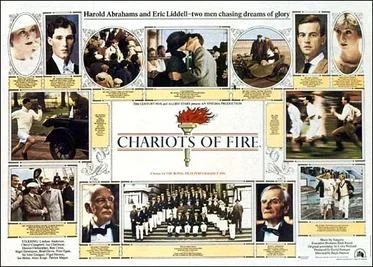
Hugh Hudson's Chariots of Fire, released in 1981, stands as a pivotal entry in the realm of sports cinema, intertwining themes of ambition, class conflict, and faith with a historical backdrop that resonates beyond the Olympic Games of 1924. The film emerged during a period when cinema was increasingly focused on character-driven narratives, showcasing the human spirit. Hudson's directorial approach allows viewers to witness not merely a sporting event but an exploration of the deeper societal issues that define the era, skillfully balancing personal stories against a broader historical context. This fusion of athleticism and ideology helped cement Chariots of Fire as a timeless classic, influencing a generation of filmmakers to approach sports with more profound narrative intent.
Critics uniformly praise Chariots of Fire for its inspirational portrayal of two athletes, Harold Abrahams, a Jewish sprinter battling anti-Semitism, and Eric Liddell, a devout Christian committed to his faith. Their diverging motivations highlight the film's central themes: class struggle and individualism. Abrahams' journey is not just about winning a race; it is a poignant commentary on societal prejudices and the relentless pursuit of acceptance, while Liddell's story emphasizes the purity of faith and conviction, illustrating how personal beliefs can profoundly impact one's path. Together, they represent contrasting perspectives within the shared arena of competition, compellingly showcasing the duality of aspiration in an unequal society.
The film's narrative arc is punctuated by dramatic encounters, both on and off the track, that give it an inspirational quality, turning athletic achievements into metaphors for broader life challenges. The vivid cinematography, paired with the memorable score composed by Vangelis, enhances its dramatic impact, transforming athletic pursuits into an emotionally resonant tapestry. Critics often note how the cinematic portrayal of running, captured in slow motion with the iconic music, symbolizes a deeper quest for freedom and identity, effectively transforming sport into art. Such creative decisions elevate the film beyond mere biographical recounting, intertwining the personal with the universal.
Within Hudson's oeuvre, Chariots of Fire represents a high point, with its combination of historical depth and character exploration establishing him as a filmmaker sensitive to the nuances of human experience. While Hudson pursued various films thereafter, few have achieved the enduring legacy of Chariots of Fire, a film that is often regarded as a touchstone in discussions of sports and cinema. Its relevance has not diminished with time; rather, it continues to resonate with contemporary audiences, who find meaning in its examination of faith, societal norms, and the relentless human spirit, making it a vital cinematic work for both enthusiasts of sports and those interested in the broader questions of our time.
In summary, Chariots of Fire endures as an inspirational and dramatic narrative, emphasizing the interplay of individual beliefs and class dynamics in a historical context that still speaks to modern struggles. Its critical acclaim has solidified its status as a classic, inviting viewers to reflect not just on the triumphs of its characters, but on the societal frameworks that shape those victories. As both a film about sport and a deeply human story, it encapsulates the essence of perseverance in the face of conflict, encouraging audiences to celebrate the diversity of paths that lead to personal fulfillment.