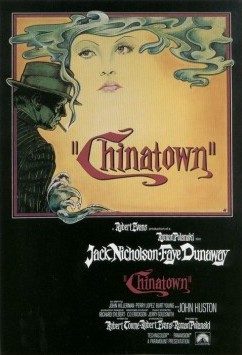
In the realm of American cinema, Chinatown (1974) stands as a hallmark of the neo-noir genre, showcasing the distinct storyteller prowess of director Roman Polanski. Positioned within his cinematic repertoire, this film emerges as a significant departure from traditional noir, blending the grim realities of detective narratives with a richly textured backdrop of 1930s Los Angeles. Polanski's directorial vision combines meticulous attention to period detail with a haunting atmosphere, crafting a world that mirrors the moral complexities and societal corruption of the time.
Critics universally acclaim Chinatown for its intricate plotting and engaging character development, with themes of betrayal, mystery, and corruption interwoven throughout its narrative. The film invites viewers into the life of private investigator J.J. Gittes, played impeccably by Jack Nicholson, who navigates a labyrinthine case involving illicit land deals and familial secrets. As Gittes unravels the sinister machinations beneath the surface of the sunny façade of Los Angeles, the audience is drawn into a story that is simultaneously entertaining and deeply unsettling. Such elements exemplify the brilliance of Polanski's storytelling, as he delves into dark psychological undercurrents that define the human experience.
The romantic subplot involving Gittes and Evelyn Mulwray, portrayed with elegance by Faye Dunaway, adds a dimension of vulnerability and tension to the narrative. Their relationship evolves amidst the sinister backdrop of a conspiracy that shakes the foundations of trust, encapsulating the essence of classic noir where love and betrayal often collide. This multi-layered approach to storytelling resonates with audiences, rendering Chinatown not just a detective story, but a poignant exploration of human frailty.
With its crackling dialogue, compelling performances, and a haunting score by Jerry Goldsmith, Chinatown emerges as more than just a film; it is a significant cultural artifact that reflects both the era’s anxieties and the timeless nature of its themes. The film's craftsmanship is evident in its meticulous production design and cinematography, which together create a visually striking experience. Scholars and film enthusiasts alike recognize the film as a classic, asserting its place in the canon of cinema history as not only essential viewing but as an unmissable exploration of America’s underbelly.
In retrospect, Chinatown remains a defining work of its genre, holding an enduring fascination for generations. It encapsulates the complex interplay of personal and systemic dysfunction, ultimately illustrating the idea that sometimes the truth can be more destructive than those comfortable lies we tell ourselves. As such, its legacy continues, cementing Roman Polanski's film as a sophisticated, unforgettable masterpiece.