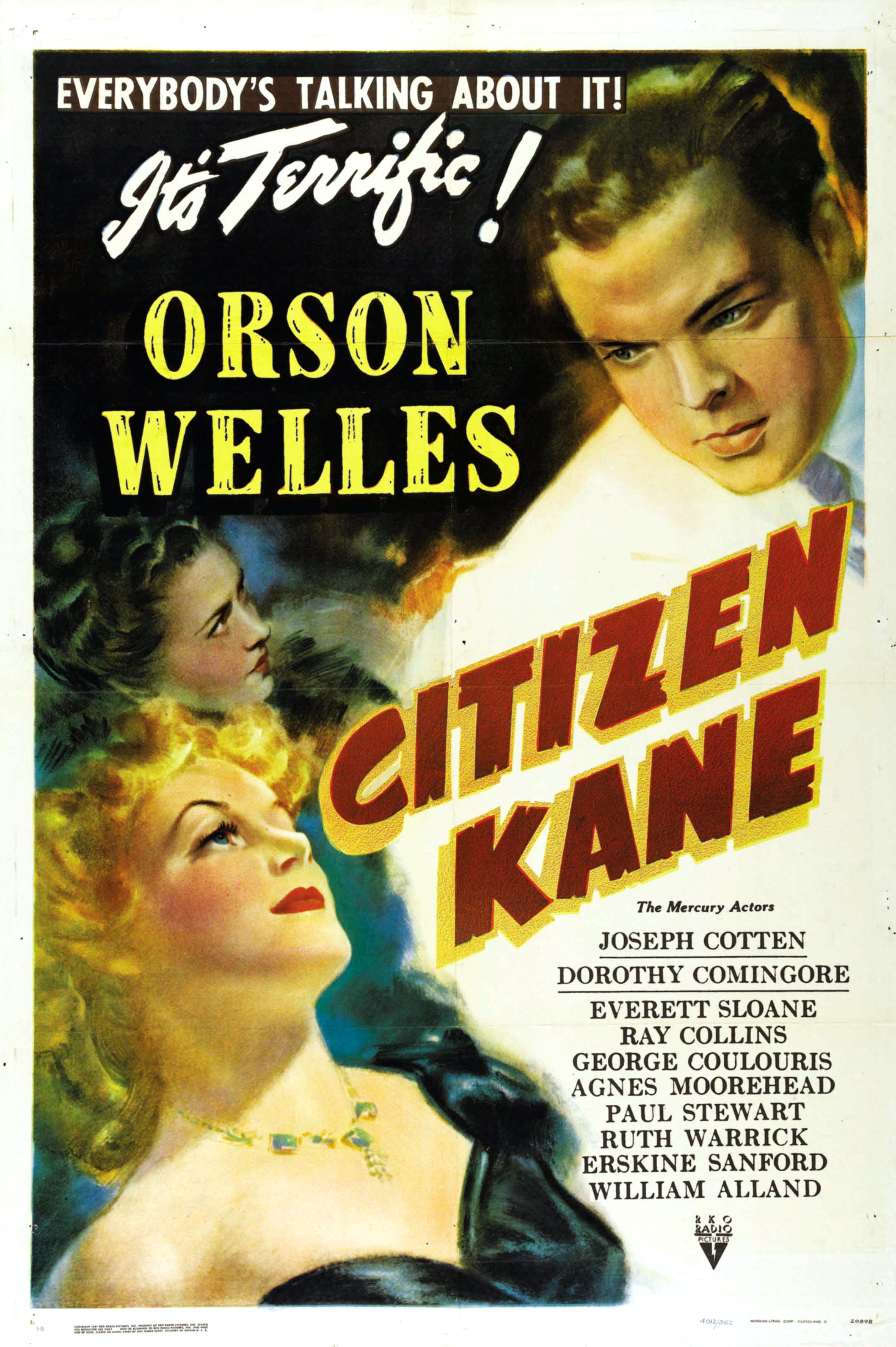
Citizen Kane, directed by Orson Welles and released in 1941, stands as a cornerstone of cinematic history, often labeled a masterpiece not only for its innovative techniques but also for its profound thematic exploration. Welles, at just 25 years old, crafted a film that would be regarded as a pivotal turning point in American cinema. Departing from traditional storytelling methods, Welles employed nonlinear narratives and groundbreaking cinematographical techniques, effectively altering the way films could be made and understood. This ambitious project encapsulated not just a compelling tale but also laid the foundation for future filmmakers in their quest to push the boundaries of the medium.
Critics have celebrated Citizen Kane for its rich thematic complexity that delves into power and corruption, the American Dream, and the inherent loneliness of existence. At the heart of the film is the enigmatic Charles Foster Kane, a character whose wealth and influence cannot shield him from loss, regret, and isolation. The film’s structure, illustrating Kane's life through the fragmented lens of memory, speaks to the intricate ways personal identity is shaped by both external and internal forces, thus appealing universally across different demographics. In this way, Welles not only tells a story of one man's rise and fall but also invites audiences to reflect on their own lives, ambitions, and personal discontents.
Moreover, the influence of media within Citizen Kane provides a lens through which the relationship between power and personal identity is scrutinized. Kane's control over media outlets mirrors the often corrupt nature of influence and highlights the precarious balance of power. His quest for personal fulfillment leads him to become a figure of public fascination yet simultaneously reveals the hollowness of such a pursuit. This dichotomy resonates with the audience, evoking a poignant sense of nostalgia and illustrating the American Dream's darker underbelly, where ambition can lead not to happiness but to profound dissatisfaction.
As the film progresses, Welles artfully portrays the notion of unfulfilled desires and the yearning for genuine human connection. The relationships Kane forms are increasingly superficial, a reflection of his inability to form meaningful connections with those around him. This isolation positions Citizen Kane not only as a grand narrative about a womanizing media mogul but also as a haunting examination of the human condition. The intricate screenplay, combined with Welles' masterful direction, creates a film that resonates deeply, presenting an unsettling reflection on what it means to truly belong and be loved.
Over the decades, Citizen Kane has garnered continual examination and admiration, securing its place in film history not merely as a product of its time but as a timeless reflection on the complexities of human life. Its legacy remains profound, inspiring countless filmmakers and captivating new generations of audiences. The film’s innovative qualities and thematic depth contribute to its status as an evocative classic, grounded in the exploration of memory and identity, power and loss. As cinema continues to evolve, Citizen Kane endures as a significant touchstone, an invitation for viewers to reflect not only on Kane's life but their own paths through the labyrinth of ambition and connection.