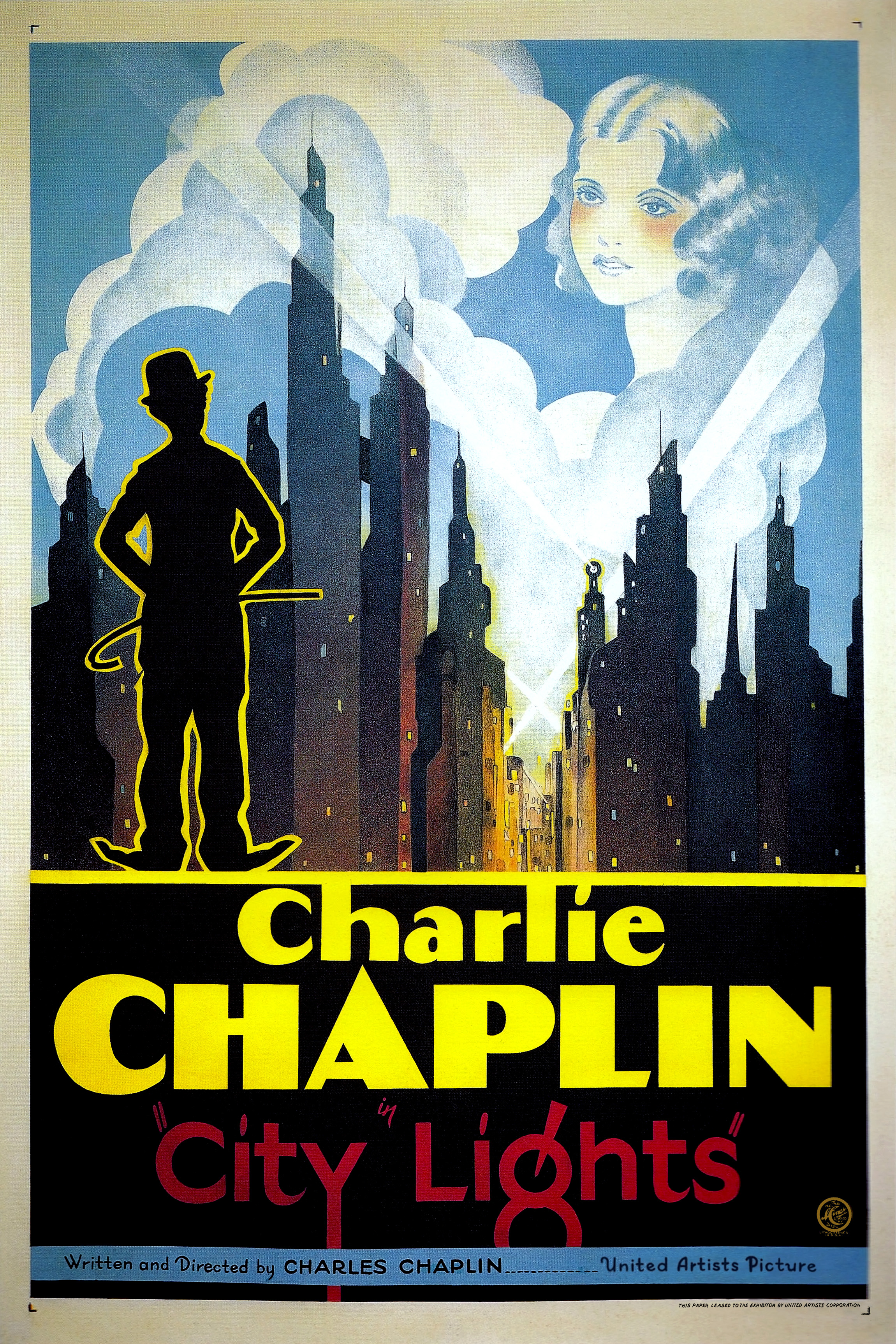
City Lights, directed by Charles Chaplin in 1931, stands as a testament to the enduring power of silent cinema within the pantheon of film history. Released during a time when talkies were rapidly becoming the norm, Chaplin chose to remain in the realm of silent filmmaking, showcasing his belief that visual storytelling could express profound ideas in ways that dialogue could not. This commitment to silence is not merely an aesthetic choice; it reflects Chaplin's understanding of the nuances of human emotion and experience, capturing the zeitgeist of a world grappling with economic despair during the Great Depression while simultaneously illuminating the human spirit's resilience.
The film revolves around the character of the Tramp, played by Chaplin himself, and his poignant relationship with a blind flower girl. City Lights expertly weaves together themes of love and sacrifice, underscoring how the depths of human desire often intersect with the harsh realities of life. Critics continually highlight the film’s emotional resonance, noting how Chaplin's masterful comedic brilliance subverts the genre. Through moments of heartfelt humor, it transforms the Tramp's struggles into a universal narrative of hope, proving that laughter and sorrow are inseparable in the human experience.
Central to the critical consensus is the film's ability to blend comedy with moments of introspection. City Lights transcends traditional genre boundaries, employing a rich tapestry of visual storytelling that resonates with audiences across generations. The film invites viewers into an intimate space, where the vulnerability of Chaplin’s characters creates a palpable connection, reminding us of our shared human condition. This profound character depth is accentuated by Chaplin's innovative use of the silent medium, which elevates comedy to an art form that leverages both visual gags and subtle emotional cues, crafting a cinematic experience that remains impactful even decades later.
As a legacy piece, City Lights is not merely a film; it is a cultural artifact that continues to influence filmmakers today. Its ambition and innovation set a precedent for how silent films could navigate elemental themes while also pushing the boundaries of cinematic language. The artistry of Chaplin's narrative structure illustrates a cosmic struggle within the bounds of earthly endeavors, encapsulating the irony of life where bittersweet elements coexist. Beyond its historical significance, the film beckons modern audiences to appreciate the artistry inherent in silent cinema, affirming the timelessness of Chaplin's work and his unique ability to capture the essence of humanity through the lens of laughter and love.