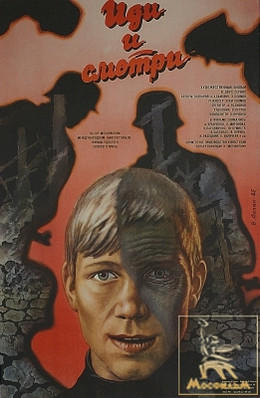
Elem Klimov's Come and See stands as a harrowing testament to the brutal realities of war, set against the backdrop of World War II in Belarus. Released in 1985, this film is often regarded as a seminal work within the canon of anti-war cinema. Klimov, drawing on his own experiences of the war as a child, crafts a relentless narrative that seeks not only to portray the evocative landscape of wartime devastation but to unmask the profound depths of human evil. The authenticity embedded within the film is a reflection of Klimov's unwavering commitment to confronting the uncomfortable truths of historical atrocities. This film, which transcends traditional war narratives, evokes a sense of dread and compassion that appeals to both intellectual and emotional sensibilities.
Critics universally recognize Come and See for its devastating portrayal of the human experience in the face of widespread violence and suffering. The film’s protagonist, Florya, embarks on a nightmarish journey that encapsulates the loss of innocence amidst the ravages of war. As Florya witnesses the horrors inflicted not just upon his community but upon humanity itself, the film presents a chilling exploration of survival in an environment where morality is continually stripped away. Through its vivid, realistic depictions of war atrocities and the unraveling of societal norms, Come and See remains an unsparing reflection on the darkest facets of human nature.
What sets Come and See apart from its contemporaries is its unyielding realism, effectively capturing the visceral trauma that war inflicts on both individuals and communities. The imagery is both powerful and horrifying, immersing the viewer in a visceral experience that is not easily forgotten. Klimov's direction, combined with haunting cinematography, allows the film to unfold as an authentic representation of historical trauma, detached from romanticized portrayals of heroism typically associated with war films. The relentless nature of the film leaves audiences contemplating the fragility of humanity as Florya transforms from an innocent boy into a haunted figure navigating through a landscape defined by destruction.
Furthermore, the narrative structure acts as a damning indictment of the ease with which society can descend into chaos and cruelty. The film poignantly explores themes of survival, as characters grapple with not just the physical but also the psychological toll of their circumstances. As viewers are forced to confront the relentless evil that characterizes wartime experiences, Come and See elicits a profound sense of empathy, prompting reflection on the importance of memory and history.
The film's lingering impact is a testament to the importance of preserving narratives that illuminate the complexities of human existence during times of conflict. Although undoubtedly disturbing, Come and See serves as a powerful reminder that understanding our past is vital to preventing the repetition of those atrocities. As a part of Elem Klimov's distinguished body of work, it remains an essential cinematic achievement that challenges audiences to grapple with the realities of war, making it a poignant entry in the history of world cinema.