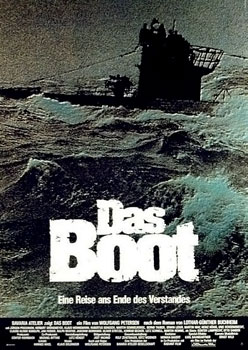
In the annals of cinematic history, Das Boot stands as a pivotal work that redefined the war film genre through its psychological depth and relentless realism. Directed by Wolfgang Petersen, the film is an adaptation of Lothar-Günther Buchheim's novel and showcases the harrowing experiences of a German U-boat crew during World War II. Released in 1981, it marked a significant departure from the glorified portrayals of war common in earlier films, instead presenting an unvarnished and gripping narrative that focuses on the psychological strain of combat and the pervasive sense of claustrophobia inherent in submarine warfare. This focus on the intimate and often tragic tales of individuals within the larger context of conflict is a hallmark of Petersen's body of work, which often explores themes of human resilience under duress.
Critical consensus acknowledges Das Boot as a masterclass in tension and authenticity. The film immerses viewers in the dark confines of the U-boat, where every sound is amplified and silence is fraught with anticipation. Reviewers have praised Petersen’s ability to create an intense atmosphere that plays on the claustrophobic nature of submarine life. The cinematography, characterized by its stunning visual compositions and immersive sound design, enhances this experience, pulling the audience deep into the depths of the ocean alongside the crew. This technical brilliance is paired with a gripping narrative that eschews traditional heroism, opting instead for a portrayal of the mundane, yet terrifying reality of war.
The themes of Das Boot extend beyond mere survival; they delve deep into the psychological impact of war on men trapped in a metal tube beneath the sea. The film’s anti-war sentiment is palpable, displaying a profound empathy for all soldiers, regardless of their nationalities. By illustrating the futility and tragedy of war, Das Boot invites viewers to reflect on the broader implications of conflict. The interplay of tension and brotherhood among the crew members adds layers to the storytelling, highlighting human relationships amid adversity. This complex portrayal prevents the film from falling into simplistic anti-war rhetoric, instead crafting a nuanced commentary that underscores the shared experiences of soldiers.
Audiences and critics alike regard Das Boot as one of the most powerful war films ever created. Its gripping narrative structure mirrors the cyclical nature of war, where moments of relative calm are inevitably shattered by violence and chaos. The film has been described as a taut experience that grips viewers, keeping them on the edge of their seats as they empathize with characters enduring life-threatening circumstances in isolation. The authenticity of the film, complemented by meticulous attention to historical detail, has given it a longevity that continues to resonate with new generations.
In essence, Das Boot serves not only as an exploration of naval warfare but as a broader meditation on the human condition. As it lays bare the fear, camaraderie, and despair found within the claustrophobic confines of a submarine, it challenges the heroes-and-villains narrative prevalent in many war films. Instead, it presents individuals, flawed yet earnest, facing the relentless and impersonal machinery of war. This focus on emotional truth and realism has solidified its status as a cornerstone of anti-war cinema, enduring as a poignant reminder of the costs of conflict and the resilience of the human spirit.