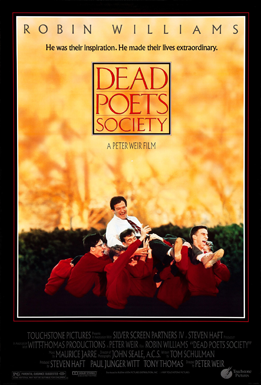
In the realm of late 20th-century cinema, Dead Poets Society stands out as a poignant exploration of themes that resonate deeply with the adolescent experience. Directed by Peter Weir, this 1989 film captures the spirit of rebellion and the quest for individuality within the stringent confines of traditional education. Set against the backdrop of the conservative Welton Academy, the film delves into the clash between individual desire and societal expectations, illustrating how the pursuit of personal aspirations can often lead to profound conflict, inspiration, and ultimately, tragedy.
Critically lauded for its controlled yet passionate storytelling, Dead Poets Society strikes a delicate balance between warmth and intelligence. The narrative centers on an inspiring English teacher, John Keating, portrayed by Robin Williams, who urges his students to seize the day and embrace their unique voices. This call to action sets in motion a series of events that showcase the group's budding rebellion against the oppressive structures of their institution. As the boys navigate their budding identities and complex emotional landscapes, the film becomes not just a tale of youthful exuberance but a meditation on the costs of pursuing one’s true self in a world that often prioritizes conformity.
The critical consensus surrounding Dead Poets Society recognizes its ability to evoke a moving elegiac tone, heightened by Williams' iconic performance. Critics have praised the film for its inspirational qualities, noting how it fosters a sense of hope even amidst despair. The narrative's deft creation of tension between individual ambition and conformity resonates powerfully with viewers, allowing them to explore their own struggles with societal prescriptions. This thematic depth is punctuated by moments of raw emotion, showcasing the human capacity for dreaming and the pain of thwarted aspirations.
Ultimately, Dead Poets Society engages its audience with heartfelt sincerity, urging them to reflect on the nature of education not merely as a means to an end but as a transformative journey toward self-discovery. The film's exploration of rebellion against authoritarian structures invites critical reflection on contemporary educational practices, making it relevant even today. Weir's expertise in crafting emotionally charged narratives shines through, marking Dead Poets Society as a significant entry in his oeuvre. It remains a classic film that inspires generations, reminding us of the importance of individual voice, the beauty of passionate expression, and the necessity of examining one's place within the broader contours of society.