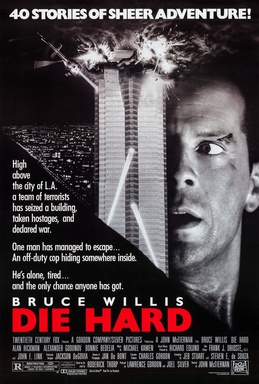
Die Hard, released in 1988 and directed by John McTiernan, stands as a seminal film in the action thriller genre, reshaping the expectations of both audiences and filmmakers. The film introduces John McClane, played with charisma and relatability by Bruce Willis, as a New York City police officer caught in a life-or-death hostage situation in a Los Angeles skyscraper. This masterclass in tension and storytelling is not just a defining moment for action cinema but also marked a turning point for Willis’s career, transforming him from a television star to a leading man in Hollywood. The seamless blend of thrilling action and sharp wit has solidified Die Hard as an archetypal entry in the genre, influencing countless films that followed, which sought to replicate its relentless pacing and impressive character development.
Critics have consistently praised Die Hard for its slick execution and taut narrative. The hostage scenario is not only a backdrop for explosive action but serves as a framework for exploring themes of heroism and resilience. The film showcases a high-octane style of storytelling, where each action sequence is meticulously crafted to escalate the tension, keeping viewers on the edge of their seats. McTiernan’s direction is tight and relentless, allowing the audience to engage with both the heart-pounding sequences and the emotional stakes involved in the hostage crisis, making the heroic feats of McClane feel all the more impressive.
One of the most alluring aspects of Die Hard is its character-driven plot. Unlike many action films of its time, this film thrives on McClane's relatable struggles as he navigates not only the danger posed by Hans Gruber, portrayed by the compelling Alan Rickman, but also his personal conflicts, including his fractured marriage. This seamless integration of personal stakes with the larger action narrative gives the film a fresh perspective that resonates with viewers. The three-in-one dynamic of action, humor, and drama allows the film to dance between thrills and character moments, creating an engaging viewing experience that is as entertaining as it is profound.
The legacy of Die Hard extends beyond its immediate box office success; it has become an enduring part of cinema history, often cited as the gold standard for action thrillers. Its clever dialogue, impressive set pieces, and profound understanding of the hero's journey have influenced films for decades. The film’s meticulous crafting, combined with a compelling narrative, has elevated it to status as a dazzling example of what the genre can achieve. As we reflect on Die Hard, it is clear that it remains a benchmark of cinematic excellence, a film that skillfully merges thrilling action with deeply felt human experience.