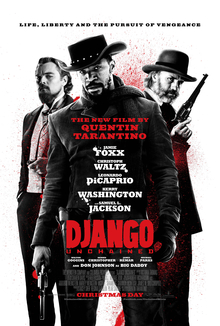
Released in 2012, Django Unchained represents a bold and provocative entry in Quentin Tarantino's oeuvre, epitomizing his unique ability to blend historical themes with stylized violence and audacious storytelling. This film stands at the intersection of the spaghetti western genre and American slavery, making it a provocative exploration of revenge and morality in a brutal historical context. Tarantino's work often revisits darker chapters of history with a comedic yet violent twist, and in this case, he takes on the subject of slavery, infusing it with a narrative that is both entertaining and deeply unsettling.
Critics have universally recognized Django Unchained as a brilliant cinematic mash-up that showcases Tarantino's signature style: sharp dialogue, striking visuals, and a potent mix of genres. The film follows the journey of Django, an enslaved man-turned-bounty hunter, on a quest to rescue his wife from a ruthless plantation owner. In doing so, it reimagines the classic revenge tale, infusing it with elements that hark back to the spaghetti westerns of the past while confronting the brutal realities of slavery. Tarantino's audacity in choosing this subject matter has sparked conversation about the appropriateness and effectiveness of blending such serious themes with entertainment.
The film's audacity and style are complemented by its use of violence, which is both brutal and stylized. This approach challenges viewers to grapple with the extremes of human behavior and the moral implications of revenge. Tarantino does not shy away from depicting the horrors of slavery and its impact on identity and humanity, yet he does so through a lens that invites both empathy and entertainment. The film’s artistic use of bodily marking, through the scars of slavery and the symbolic shedding of Django's shackles, underscores the physical and psychological consequences of oppression, reinforcing the weight of his journey toward autonomy.
The narrative’s progression embodies the theme of revenge, with Django's transformation serving as a metaphorical reclamation of power against systemic oppression. This transformation, while rooted in a desire for personal vengeance, also acts as a commentary on broader societal issues, prompting discussions about justice and the legacies of slavery. Critics praise Django Unchained for its ability to entertain while simultaneously engaging with complex truths about history, pain, and reclamation of identity.
Ultimately, Django Unchained is not just a film about revenge but a confrontation with America’s past, delivered through the lens of playfulness and cinematic homage. Tarantino's knack for blending genres and crafting engaging narratives has, once again, produced a work that is both brilliant and brutal; a reflection of the complexities of human history wrapped in the motivations of revenge and idealistic heroism. The film serves as a reminder of the power of cinema to provoke thought and stir emotions, showcasing Tarantino's deft handling of sensitive subjects through an entertaining vehicle.