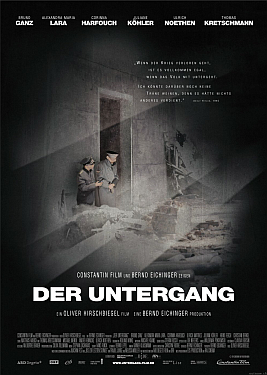
Oliver Hirschbiegel's Downfall (2004) stands as a critically acclaimed exploration of the final days of the Nazi regime, embodying both the historical accuracy and emotional complexity that define its significance within cinema history. The film, which is often regarded as a hallmark of German film-making, delves into the claustrophobic and labyrinthine world of Hitler's bunker, presenting a chilling yet compassionate portrayal of humanity amidst the brutal disintegration of a totalitarian state. By focusing on the individuals caught in the throes of despair, the film presents a stark contrast between the ideals and the stark reality of the regime’s collapse, encapsulating the exhaustion and grim atmosphere that enveloped Berlin in 1945.
Critics have consistently noted the film's impressive ability to navigate the duality of human nature, embodying the innocence of youth against the backdrop of evil’s grotesque manifestation. The narrative, while at times blunt in its revelation of the horrors perpetrated by the Nazi party, delves deeply into the psyche of its characters, enabling viewers to grasp the complexities of their motivations and the weight of their actions. This dichotomy serves not only to humanize those involved but also to reflect on the broader implications of complicity and choice during moments of darkness. As audiences witness the disintegration of societal norms within the bunker, they are reminded that even in the face of unthinkable atrocities, echoes of compassion and familial bonds can prevail.
The film's pacing and length have sparked debate among viewers, with some deeming it overlong, while others argue that this deliberate pacing adds to the exhausting emotional experience. Hirschbiegel's choice to extend the narrative allows for a more comprehensive exploration of the character arcs and the sense of impending doom that envelops the narrative. Such an approach reinforces the claustrophobia of the setting, amplifying the tension as the walls literally and metaphorically close in on those desperate souls within.
As the film progresses, the horrifying collapse of the Nazi regime serves as a backdrop for a troubling examination of moral ambiguity. Characters such as Traudl Junge, played by Alexandra Maria Lara, bring youth's innocence into sharp relief against the horrific context of Hitler's final days. Her character embodies the tragic intersection of naivety and the dark reality of complicity, reflecting the struggle many faced as they navigated the horrors of a collapsing regime. This layered narrative contributes to the film’s historical significance and emotional resonance, ensuring its place in cinematic history as a poignant reminder of the human capacity for both good and evil.
Downfall ultimately leaves viewers with an enduring contemplation of the themes of innocence lost, the banality of evil, and the complexities of human nature within extreme circumstances. Hirschbiegel’s nuanced portrayal of this historical moment, combined with the film's intense emotional weight, creates a cinematic experience that confronts viewers with uncomfortable truths while simultaneously urging empathy for those ensnared in the historical tragedy. As such, Downfall remains a powerful and necessary reflection on the human condition, resonating long after the credits roll.