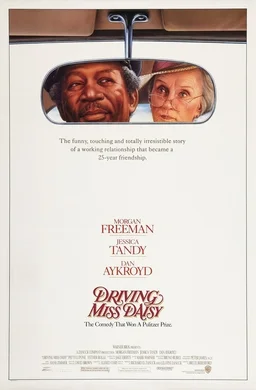
Released in 1989 and directed by Bruce Beresford, Driving Miss Daisy stands as a poignant examination of the complexities of interracial relationships and the passage of time within the framework of Southern culture. This film not only secured its place in cinema history with its heartfelt storytelling and nuanced performances, but it also contributed significantly to discussions surrounding race, aging, and personal growth in a divided America. Adapted from Alfred Uhry's Pulitzer Prize-winning play, the film encapsulates a significant transition, reflecting the changing social landscape of the United States during the latter half of the 20th century.
Central to Driving Miss Daisy is the evolving relationship between its two main characters, Daisy Werthan, a Jewish widow portrayed by Jessica Tandy, and Hoke Colburn, an African American chauffeur played by Morgan Freeman. Their initially contentious interactions gradually develop into a profound friendship, highlighting the themes of patience and understanding. This intimate portrayal of their bond serves as a microcosm for the broader racial tensions and cultural dynamics of the American South, skillfully weaving elements of both comedy and drama into its narrative fabric. Critics have praised Beresford’s ability to navigate these delicate themes with a subtlety that avoids overt sentimentality while remaining deeply moving and relatable.
As the film progresses, audiences witness the characters' growth and transformation against a backdrop of significant social change. Daisy’s journey into realizing her prejudices is mirrored by Hoke’s steadfast patience and grace, which ultimately fosters a sense of mutual respect and understanding. Through these performances, Tandy and Freeman create a luminous chemistry that reflects the complexities of human connection. Their interactions are marked by sincerity, evoking both laughter and tears, which prompts a thoughtful engagement with the audience regarding their own perspectives on aging and racial dynamics.
The film is not merely a story about an elderly woman and her driver, but rather a deeper exploration of navigating relationships across generational and racial lines. Beresford's direction allows the story to unfold in an intimate manner that is both tender and reflective. Here, aging is depicted as a double-edged sword, infusing its characters with wisdom while simultaneously confronting them with the vulnerabilities tied to old age. This nuanced approach encourages a broader contemplation of how we relate to those who may appear different from us, yet share common human experiences.
In conclusion, Driving Miss Daisy remains a significant work within Beresford's oeuvre and the canon of American cinema. Its exploration of the intersection of race, personal growth, and the inevitably of aging resonates powerfully across generations. The film’s enduring legacy lies in its heartfelt narrative and the subtle, intimate performances that serve to remind audiences of the transformative power of empathy. As a reflection of its time, it encourages introspection on our roles in fostering understanding and compassion amid societal divides.