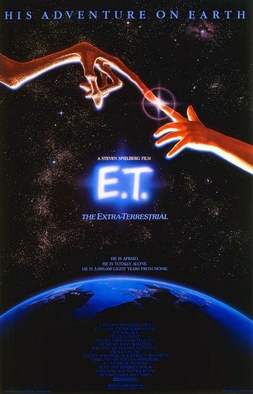
Upon its release in 1982, E.T. the Extra-Terrestrial redefined what a family film could achieve, resonating with audiences of all ages. Directed by Steven Spielberg, a figure synonymous with box office success and emotional storytelling, the film emerged as a cultural landmark within the cinematic landscape of its time. Spielberg's ability to capture the essence of childhood innocence and imagination, while tackling more profound themes of alienation and empathy, rendered E.T. not just a cinematic spectacle but a heartfelt and timeless narrative that remains deeply affecting decades after its debut.
At the heart of E.T. lies the exploration of friendship through the lens of childhood. The bond that forms between young Elliott and the alien stranded on Earth encapsulates a pure, untainted connection that exemplifies the innocence of youth. The film effectively portrays the world through the eyes of a child, an imaginative realm where the possibilities are endless and where understanding and compassion can bridge the gap between species. Elliott's relationship with E.T. becomes a metaphor for healing in the face of personal and familial strife, notably highlighted by his struggle with the emotional repercussions of his parents' divorce. This profound narrative intertwines elements of alienation and the quest for belonging, resonating with viewers who have grappled with similar feelings of disconnect in their own lives.
Critics have lauded E.T. for its innovative storytelling and emotional depth, describing it as a classic that evokes both laughter and tears. Spielberg's deft direction, coupled with John Williams' iconic score, creates a magical atmosphere that invites audiences to lose themselves in this extraordinary adventure. With its inventive visuals and heartfelt character development, the film engages viewers on multiple levels, prompting not only entertainment but also reflection on the human experience.
The film's ability to infuse humor amid poignant moments has solidified its status as a beloved piece of cinema. The lighthearted exchanges, coupled with the more serious undertones of childhood alienation, create a rich tapestry that reflects the complexity of growing up. Scenes such as the iconic bicycle flight against the moonlit sky serve as pure cinematic artistry, igniting the imagination of countless viewers, and allowing them to dream of what lies beyond the stars.
As the years have passed, E.T. the Extra-Terrestrial has maintained its relevance, continually drawing new generations into its embrace. Its messages of peace, empathy, and the importance of listening to one another resonate profoundly in today's world, reminding us of the innate power of connection. In viewing E.T., audiences are not merely passengers in a fantastical journey, they experience a story that profoundly illustrates the profundity of human emotion, the significance of friendship, and the importance of empathy in navigating the landscape of childhood amid societal challenges.