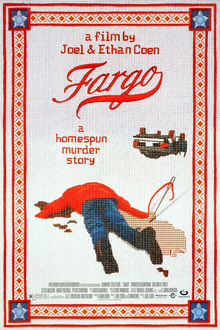
In the landscape of American cinema, few films have made as indelible a mark as the Coen brothers' Fargo, released in 1996. Marking a defining moment in their career, this film merges elements of black comedy and crime in a quirky yet chilling narrative that serves as a perfect canvas for the brothers’ stylistic idiosyncrasies. Rooted in the stark, white-out snowscapes of Minnesota, Fargo effectively captures the complexities of small-town life, juxtaposing everyday mundanity with chilling acts of depravity. The film's unique approach, characterized by a deliciously convoluted plot, positions it among the Coens' best works, establishing a tone that is both engaging and refreshingly original, while also paying homage to their cinematic roots.
Critics have consistently emphasized the film's thematic exploration of crime and punishment, human folly, and cowardice. The world of Fargo is populated with a motley crew of characters, including the cowardly used-car salesman Jerry Lundegaard, whose desperate and misguided attempts at wealth set off a chain of events that spiral far beyond his control. The characters are used not merely as vehicles for plot development but as vessels for deeper commentary on human nature, highlighting the absurdity of life through their bumbling misadventures. The film's dark humor provides a counterpoint to its bloody narrative, allowing the audience to both laugh at and reevaluate the grim realities faced by its protagonists.
At the heart of Fargo lies a profound critique of Midwestern culture, depicted through the lens of the Coen brothers’ unique storytelling style. Their signature blend of humor and tragedy shines through, presenting a series of unexpected twists that keep viewers engaged and on edge. From the chillingly amusing tone set forth early in the film to the tension that builds throughout its runtime, Fargo masterfully plays with audience expectations, always keeping them guessing. This interplay between the mundane and the macabre is executed with precision, breathing life into a seemingly straightforward crime story that evolves into a memorable body-count comedy.
Ultimately, the critical consensus positions Fargo as a landmark work that has influenced not only the Coen brothers' career trajectory but also the broader film landscape. The film's original approach, complemented by its tight and bloody execution, has earned it accolades as one of the Coens' finest achievements to date. In Fargo, viewers find a film that is both a stylistically ambitious exploration of crime and a darkly comic examination of human nature. Its enduring relevance speaks to the universal themes it encapsulates, ensuring that it remains a touchstone for filmmakers and audiences alike, and an essential entry in the canon of American cinema.