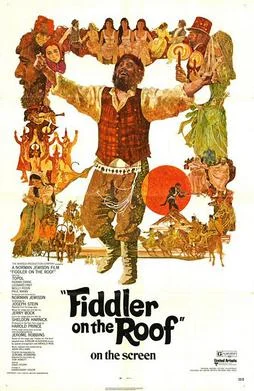
Fiddler on the Roof (1971), directed by Norman Jewison, occupies a significant space in the landscape of American cinema, capturing not only the essence of its source material but also the complex cultural dynamics of the early 20th century. As a film adaptation of the Broadway musical originally created by Jerry Bock and Sheldon Harnick, Jewison's work is often celebrated for its vibrant storytelling that merges drama and music. The film effectively portrays the struggles of Tevye, a Jewish milkman in a small Russian village, as he grapples with the shifts brought about by modernity and the changing roles within his family, thereby situating itself in a broader historical and cultural context that resonates with audiences even today.
At the heart of Fiddler on the Roof lies the perennial conflict of tradition versus change. The film captures the tension between adhering to long-established customs and the unstoppable march of progress. Tevye's attempts to maintain his familial and cultural traditions are poignantly illustrated through his relationships with his daughters, who each seek their own identities in ways that challenge his paternal authority. This interplay between tradition and individual aspirations serves as a microcosm for the larger societal shifts occurring in early 20th-century Eastern Europe, a theme that mirrors contemporary discussions about cultural identity and generational discord.
Critics have consistently praised the film's exploration of family dynamics, positioning it as a cornerstone of the family drama genre. The interactions within Tevye’s household reveal the complexities of love, duty, and sacrifice that characterize familial relationships. Jewison’s direction balances the earnestness of these familial portraits with the exuberance and joy of musical performance, inviting audiences to connect on both emotional and aesthetic levels. The film boldly navigates moments of levity and gravity, making its narrative more relatable as it mirrors the struggles many families face when standing at the crossroads of cultural continuity and change.
Moreover, Fiddler on the Roof is notable for its cultural authenticity, achieved through meticulous attention to historical detail and the rich musical heritage of the Jewish culture it depicts. Jewison's commitment to portraying the cultural nuances and traditions of the shtetl is a hallmark of the film's success. The songs, many of which have become iconic, reinforce the narrative’s emotional weight while also serving as a vessel for cultural storytelling, a practice deeply embedded in Jewish tradition itself. This blend of documentary filmmaking elements with the theatrical vibrancy of musical adaptation enhances the film's resonance and brings to life the lived experiences of marginalized communities.
In the context of film history, Jewison's Fiddler on the Roof is both a tribute to the power of musical adaptations and a reflection on the inevitable transformations faced by communities throughout time. As it tackles themes relevant to immigrants and their descendants, it invites a wider audience to consider their own cultural identities and familial legacies. This film remains a significant artistic achievement, not only for its heartfelt depiction of a unique cultural moment but also for its universal exploration of the human condition as it navigates the delicate dance between the past and the future.