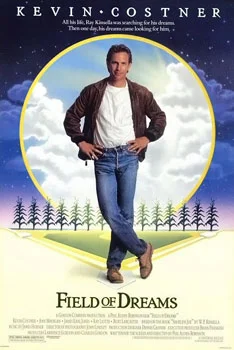
Released in 1989 and directed by Phil Alden Robinson, Field of Dreams stands as a poignant exploration of dreams, family, and the nostalgic ties that bind generations. Emerging during a period when American cinema was grappling with deeper emotional narratives, it became a cultural touchstone. The film's blend of magical realism and heartfelt drama captures a moment in cinematic history where the ordinary could suddenly transform into the extraordinary, creating a movie experience that resonated widely with audiences. It moved beyond typical sports dramas and delved into themes of hope, reconciliation, and the often fragile nature of dreams.
The plot centers on Ray Kinsella, played by Kevin Costner, who hears a voice urging him to build a baseball diamond in his cornfield, catalyzing a series of events that lead to encounters with legendary figures of the game. This narrative invites viewers into a world where the impossible becomes possible, where abandoned dreams can be resurrected. Critics have often celebrated the film's delicate portrayal of family dynamics and generational ties, emphasizing how Ray's journey is as much about personal reconciliation as it is about baseball. The magnificent imagery of a lush, green field evokes a sense of nostalgia that serves as a backdrop to the emotional undertones of the story, creating a whimsical yet deeply felt atmosphere.
Critically, Field of Dreams has been described as an oddly sappy yet endearing exploration of familial love and lost aspirations. The film navigates complex emotional terrains, showcasing how sports can serve as a conduit for deeper connections and the healing of past wounds. The idea of pilgrimage, where characters seek physical and emotional redemption, adds a layer of magical realism that elevates the narrative beyond mere entertainment. Each character’s journey is emblematic of a collective yearning for resolution, understanding, and connection, all presented through the lens of America's beloved pastime.
Ultimately, the film's enduring legacy may lie in its ability to evoke nostalgia, encouraging audiences to reflect on their own family relationships and lost dreams. Critics have noted its messianic undertones, suggesting that Ray’s mission to reunite with his father through baseball embodies a universal struggle for reconciliation. The dreamy quality of the cinematography and the careful attention to the fragility of dreams imbue Field of Dreams with a sense of magic that remains timeless. It is this balance of the mystical and the relatable that has turned the film into a modern classic, one that ventures into the heart of what it means to dream, hope, and believe.