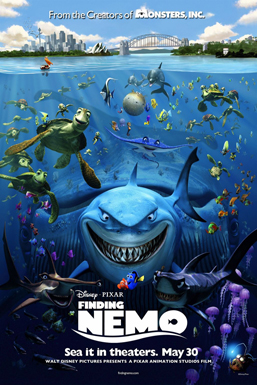
Released in 2003, Finding Nemo stands as a testament to Pixar's ingenuity and Andrew Stanton's directorial prowess. Situated in a pivotal era of animation, the film not only cemented Pixar's status as a leader in innovative storytelling but also showcased the studio's ability to blend technology with heartfelt narratives. Stanton, known for his previous success with Toy Story and his work on A Bug's Life, further expanded his creative repertoire by crafting a vibrant underwater universe where visual splendor marries emotional depth. This film became a cultural touchstone, resonating with audiences worldwide and earning its place among the animated classics of cinema history.
At the heart of Finding Nemo lies a profound exploration of parental love, underscored by a narrative charged with adventure and self-discovery. The film intricately weaves Marlin's relentless quest to find his son Nemo with themes of parental anxiety and the universal fears that accompany raising children. Marlin's overprotective nature, stemming from a past filled with loss, drives the plot forward and accentuates the emotional stakes of their separation. Viewers are drawn into this harrowing yet humorous journey, reflecting the challenges and triumphs of parenthood as Marlin navigates the vast ocean, facing adversities that ultimately serve as stepping stones in his own self-discovery.
Critics have lauded Finding Nemo for its adeptness in combining humor with heartfelt moments, creating a film that appeals to both children and adults. The characters are robustly developed, with Dory, voiced by Ellen DeGeneres, standing out as a source of comedic relief and wisdom. The film's humor is not merely for entertainment; it acts as a counterbalance to the narrative's heavier emotional themes, making the experience both engaging and relatable. The journey through the ocean becomes not just a physical endeavor but an exploration of the emotional landscapes typical of familial bonds, highlighting how love and loyalty can buoy us through turbulent waters.
Visually, Finding Nemo is nothing short of stunning. The animated underwater world is rich in detail and vibrant colors, showcasing Pixar's relentless commitment to pushing the boundaries of animation technology. Each scene is crafted with care, immersing audiences in a beautifully rendered aquatic habitat teeming with life and imagination. This visual artistry complements the storytelling, allowing for a deeper connection to the characters and their experiences.
In retrospect, Finding Nemo can be appreciated not only as a remarkable cinematic achievement but also as a narrative that speaks to the heart of familial relationships. It encapsulates the joys, the fears, and the growth that accompany the act of loving someone unconditionally. As viewers journey alongside Marlin and Nemo, they are reminded that while the journey may be fraught with challenges, the love that binds us to one another, and the adventures we embark on, ultimately shapes who we are. This film's legacy endures, continuing to resonate with new generations who find themselves navigating similar waters of love and discovery.