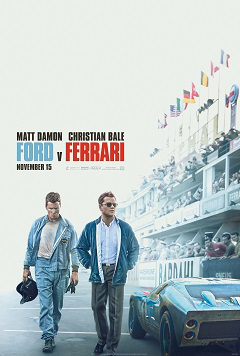
In the realm of modern cinema, Ford v Ferrari (2019), directed by James Mangold, stands out as both an exhilarating portrayal of determination and a reflection on the nature of corporate culture in the face of competition. This film is rooted deeply in the historical rivalry between Ford and Ferrari, culminating in the legendary 24 Hours of Le Mans race of 1966. Mangold, known for his ability to meld character-driven storytelling with high-stakes drama, employs a narrative that is visually impressive and emotionally resonant. Yet, as with many sports dramas, the film dances around deeper emotional explorations, skimming the surface of its characters' inner lives in favor of exciting race sequences and the adrenaline-pumping thrill of competition.
Critics have largely praised Ford v Ferrari for its authentic and engaging sequences that encapsulate the innovation of automotive engineering during the 1960s, juxtaposed against the rigid corporate culture of Ford. The film illustrates how the passion and ingenuity of individuals like Carroll Shelby (played by Matt Damon) and Ken Miles (played by Christian Bale) clash with corporate interests, creating a narrative filled with corporate intrigue and the stubbornness of traditionalist views. This tension between individual ambition and corporate control forms the backbone of the film, revealing the ways in which innovation often pushes against the established norms of a conservative corporate environment.
Moreover, the themes of masculinity and rivalry permeate the film's narrative fabric, with its two leads personifying different facets of that complex dynamic. While the film offers exciting racing scenes and visually stunning cinematography, it also invites the viewer to reflect on the nature of competition and what it means to be a man in a high-pressure environment. The camaraderie between Shelby and Miles is counterbalanced by the heavier implications of their struggle against larger forces, putting not just their skills to the test, but also the very idea of what drives individuals in the face of corporate capitalism. This duality crafts a compelling narrative that resonates on multiple levels, even if some may find it emotionally shallow at times.
However, the film grapples with a certain formulaic approach common in sports dramas, as it adheres to a pattern of competition and victory that can feel predictable. While the film's thrilling action sequences and nostalgic visuals effectively capture the spirit of the period, it risks losing depth in favor of spectacle. Viewers may find themselves swept away by the exhilarating experience of the race scenes but left yearning for a more profound exploration of the personal stakes involved. Thus, while Ford v Ferrari succeeds on many fronts, it sometimes falters in its emotional engagement, leaving a lingering question about the complexities of human relationships amid the backdrop of fierce competition.
In conclusion, Ford v Ferrari is a noteworthy entry in contemporary cinema that intertwines themes of rivalry, innovation, and corporate intrigue within a thrilling narrative. While it dazzles audiences with high-octane racing and striking visuals, the film also grapples with the implications of masculinity and the individual versus corporate interests. Mangold’s direction and the performances by Damon and Bale anchor a film that captivates yet, at times, feels tethered to conventional tropes. It resonates as a nostalgic ode to a bygone era, presenting not only an exhilarating sports tale but also a commentary on the drive for excellence in an ever-competitive world.