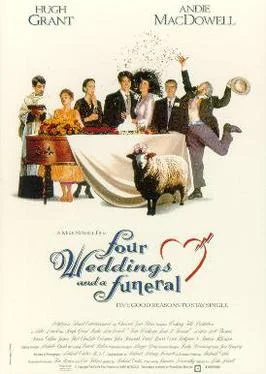
Released in 1994, Four Weddings and a Funeral, directed by Mike Newell, emerges as a quintessential example of British romantic comedy that has left an indelible mark on cinema. The film arrived at a time when the genre was expanding its boundaries, melding humor with heartfelt narratives of love and friendship. Newell, who would later explore various genres, finds a sweet spot in this film by presenting a sophisticated yet accessible exploration of relationships. The film not only showcases an impressive ensemble cast, including a breakout performance from Hugh Grant, but also integrates the charming quirks of British humor, setting a standard for future romantic comedies.
Critics have largely celebrated Four Weddings and a Funeral for its witty dialogue and well-directed sequences, portraying the dynamics of love and friendship in a way that resonates universally. Central to the film are themes of romantic relationships, underscored by the connections among friends that evolve throughout various life events, especially weddings. The intertwining lives of the characters illuminate the complexities of modern relationships, from the exhilarating highs of love to the heart-wrenching lows of separation and loss, creating a rich tapestry that is both amusing and poignant.
The critical consensus indicates that while the film is charming and sophisticated, it is not without its flaws. Some reviews point to moments that feel bloated or unimaginative, suggesting that certain comedic or romantic elements tread familiar ground. Despite this, the film's ability to balance humor and emotion allows it to maintain its appeal, striking a chord with audiences who appreciate a mixture of comedic beats and serious undertones in the depiction of love's unpredictable nature. The synergy of its themes contributes to a sense of warmth that invites repeated viewings.
Four Weddings and a Funeral is also significant in how it set the stage for a wave of British romance-centric films in the 1990s, influencing both style and substance. By intertwining friendship dynamics with romantic escapades, it elevated the romantic comedy genre, paving the way for future adaptations and remakes that would attempt to harness its charm. However, it also stirred discussions about originality within the genre, with critics noting that its familiar tropes and narrative structures can sometimes feel unoriginal when viewed through a contemporary lens.
Ultimately, the film remains a beloved classic, cherished for its blend of humor, heart, and a touch of British whimsy. Its enduring appeal can be attributed to the relatable experiences of love and friendship it captures, making it an essential viewing for fans of romantic comedies. In reflecting on Mike Newell’s work, Four Weddings and a Funeral stands out as a defining moment, showcasing his ability to weave together the complex threads of human relationships with a lightness that continues to resonate.