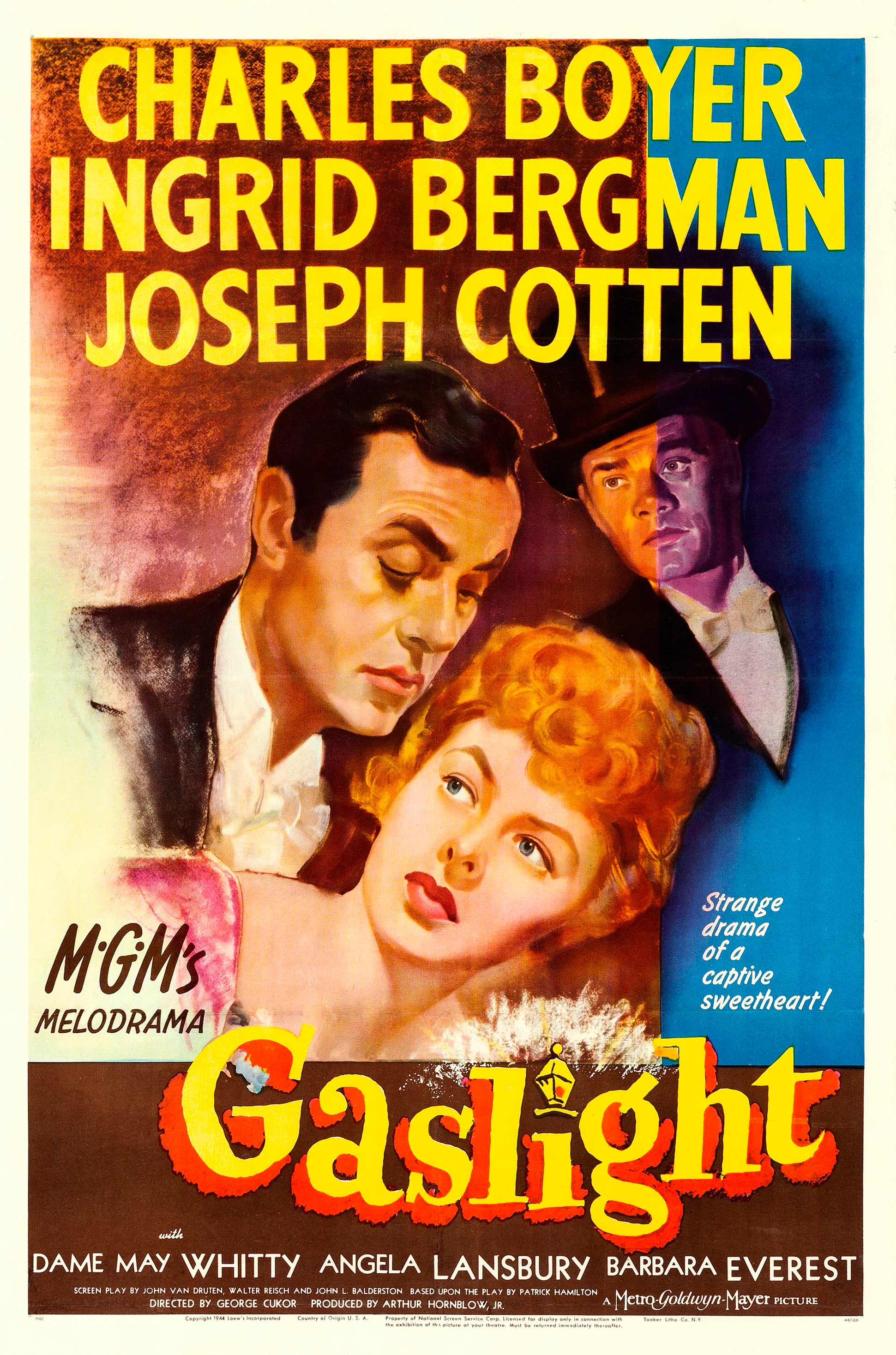
Gaslight (1944), directed by George Cukor, stands as a seminal entry in the psychological thriller genre, intricately woven into the tapestry of 1940s cinema. This film not only underscores Cukor's mastery of character-driven narratives, but also illustrates his ability to explore complex human emotions within rigid societal frameworks. Set against the backdrop of a Victorian era that significantly influences its characters and their interactions, Gaslight provides a chilling exploration of psychological manipulation and marital dynamics that resonates deeply even today. This work is a staple in Cukor’s filmography, showcasing his penchant for strong performances and taut storytelling that grips audiences throughout its duration.
At the core of Gaslight is its unsettling examination of psychological abuse and manipulation, which manifests largely through the marital relationship between the characters Paula and Gregory. The film deftly portrays how societal expectations can facilitate male dominance and manipulation, particularly in the context of a Victorian-inspired social structure. As the narrative unfolds, viewers are taken on a taut journey filled with tension and mystery, meticulously crafted by Cukor, who ensures that every scene is imbued with an atmosphere of disquiet that keeps the audience on edge. Critics have described the film as gripping and tantalizing, reflecting its ability to engage deeply with themes that transcend its period setting.
Critical consensus around Gaslight highlights not only its thrilling plot but also its impeccable performances, particularly those of Ingrid Bergman and Charles Boyer. Bergman's portrayal of Paula is a poignant depiction of vulnerability and strength, as she navigates the treacherous waters of marital manipulation. Critics emphasize how her character’s descent into doubt and confusion reveals the broader dynamics of power and control that can exist in intimate relationships. Boyer's Gregory is both charming and menacing, embodying the genteel facade often masking sinister motives, articulating a rich psychological conflict that mirrors the tumultuous domestic spaces many women were confined to during this era.
As an exploration of Victorian society's impact on personal relationships, Gaslight illustrates the way societal constructs can exacerbate individual suffering. The film captures a world where appearances hold immense weight, and the dignity expected in interpersonal relationships becomes a weapon in the hands of the manipulative. The film enhances its commentary through meticulous attention to detail, from its period-appropriate sets to its carefully crafted dialogue, which underscores the tension between trust and betrayal, a theme that is timeless yet distinctly identifiable with the sociocultural context it emerges from.