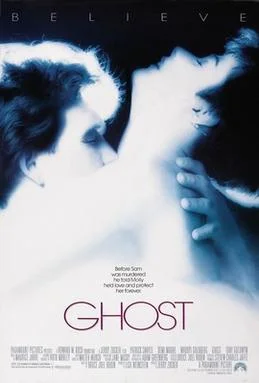
In the landscape of 1990s cinema, Ghost, directed by Jerry Zucker, emerged as a poignant exploration of love that transcends the boundaries of life and death. Zucker, primarily known for his work in comedy, deftly blends elements of romance with supernatural storytelling, crafting a narrative that is both sentimental and hauntingly beautiful. This film stands out in his body of work, reflecting a departure from pure comedy to a more layered take on love, loss, and the intricacies of human emotion. The film's success can be attributed to its compelling narrative and a star-studded cast that delivers heartfelt performances, earning a lasting place in popular culture.
At the heart of Ghost lies the theme of love enduring beyond the grave, a concept that resonates deeply with audiences. The relationship between Sam (Patrick Swayze) and Molly (Demi Moore) is portrayed with tenderness, serving as the emotional core of the film. After Sam's untimely demise, his spirit remains on Earth, driven by a desire to protect Molly and resolve his unfinished business. Critics have noted how this plot device serves as a powerful metaphor for the ties that bind us to our loved ones, even in death. The film’s exploration of unfinished business invites viewers to reflect on their own relationships and the importance of closure, making the themes both universal and personal.
In addition to its romantic narrative, Ghost delves into the realm of spiritual intervention, showcasing how love can motivate actions from beyond the physical world. The character of Oda Mae Brown (Whoopi Goldberg) provides a unique insight, acting as a conduit between the living and the dead. Her comedic yet poignant performance not only offers levity to the film but also highlights the complexities of human connection and the unseen forces that can impact our lives. Critics often commend her ability to bring humor to such a weighty subject, emphasizing the film’s effective balance between sentimentality and supernatural elements.
The critical consensus on Ghost emphasizes its sentimental and romantic qualities, a combination that has allowed it to maintain a lasting resonance with audiences. The film’s exquisite blend of touching moments and comedic relief has made it a beloved classic. Critics have marveled at how Zucker captures the essence of love in a manner that feels both aspirational and painfully relatable, allowing viewers to confront their own feelings about love, loss, and the afterlife. The enduring appeal of Ghost lies in its ability to elicit a spectrum of emotions, reminding audiences of the profound connections we forge in life that can persist even after death.
In summation, Ghost is a remarkable film that invites its viewers to reflect on their own experiences of love and loss, framed within a supernatural narrative that challenges the boundaries of existence. Jerry Zucker's direction, combined with a stellar cast and a well-crafted script, creates a cinematic experience that is at once humorous, heartfelt, and thought-provoking. Even decades after its release, Ghost remains a powerful testament to the timelessness of love, ensuring its place in the annals of film history as a truly unique fusion of romance and the supernatural.