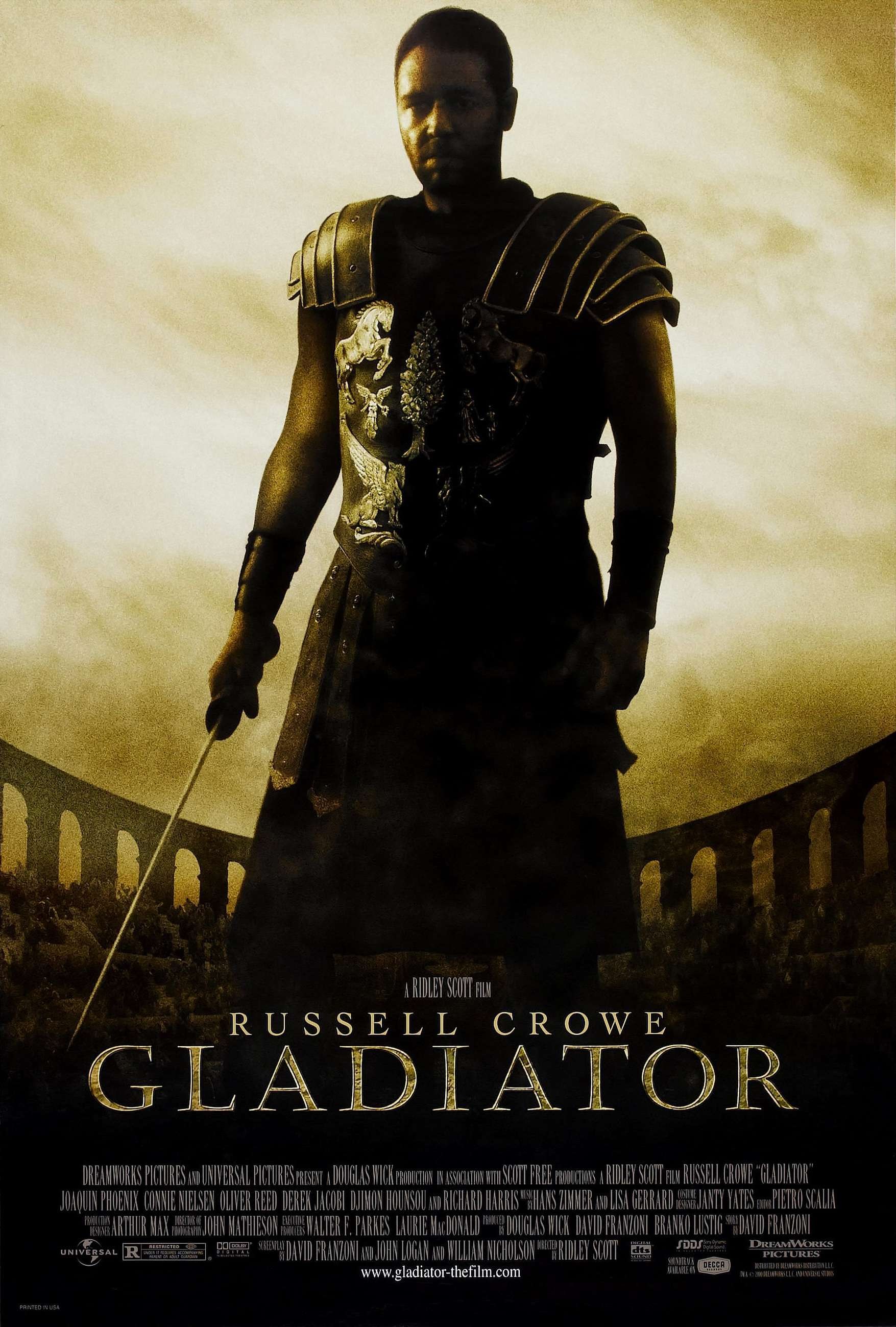
In the early 2000s, Ridley Scott invigorated the historical epic genre with Gladiator, a film that not only captured the grandeur of ancient Rome but also served as a powerful exploration of revenge, betrayal, and the pursuit of honor. This critically acclaimed film came at a significant time in cinema, where the blending of large-scale action with intellectual depth was beginning to dominate box offices. Scott, known for his visually compelling narratives in films such as Alien and Blade Runner, expanded his repertoire with a narrative that balanced intimate human emotions against the backdrop of vast imperial ambitions.
Gladiator revolves around the harrowing journey of Maximus Decimus Meridius, a once renowned general transformed into a vengeful gladiator after the brutal betrayal by his friend-turned-emperor Commodus. The themes of revenge and honor permeate the narrative, showcasing Maximus’ battle not just for survival, but for his rightful place in a world that prizes power over ethics. The film’s epic scope allows for a multifaceted exploration of freedom, as Maximus wrestles with his chains—both literal and metaphorical—while providing a captivating critique of an imperial society fueled by glory and tyranny.
Critics have lauded Gladiator for its magnificently staged battles that are at once ferocious and visually striking, yet they have also pointed out moments where the narrative feels muddy, echoing the complexity of its themes. This duality encapsulates the film's ambitious nature; while it aims to deliver an enjoyable experience through high-octane action, it does not shy away from the drab reality of a fallen hero. The film’s wide-screen cinematography immerses viewers in the harsh yet exhilarating world of the Coliseum, where personal vendettas clash with the sprawling ambitions of empire.
The interplay between dramatic stakes and intimate human relationships, including Maximus’ bond with his family and the fiery romance that flickers amidst the chaos, gives the film a depth that resonates with audiences. The character-driven narrative, coupled with Scott’s gripping direction, ensures that Gladiator remains impactful long after the credits roll. Its replay value stems not only from its action sequences but also from the profound questions it asks about loyalty, power, and what it means to be free.
With an electrifying score by Hans Zimmer augmenting the film’s emotional depth, Gladiator solidified Ridley Scott's place in film history, affirming his capability to tackle grand narratives with gritty realism. While criticism exists regarding aspects of its execution, there is a consensus that Gladiator, marked by its blend of epic storytelling and human nuance, succeeded in redefining the historical epic for modern audiences—making it a staple in discussions about cinema that explores the darker sides of honor and the relentless quest for vengeance in an unforgiving world.