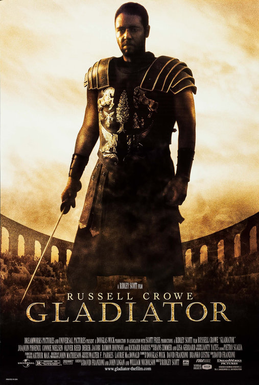
Ridley Scott's Gladiator, released in 2000, marked a significant moment in cinematic history, reinvigorating the historical epic genre and establishing itself as a pivotal film of the early 21st century. With its epic narrative set against the backdrop of ancient Rome, Scott masterfully weaves themes of revenge and betrayal into a visually stunning tapestry that captivates and vexes in equal measure. The film captures the transformation of Maximus Decimus Meridius, a once-great general turned gladiator, whose quest for vengeance against the treacherous Commodus drives the narrative forward with a gritty, intense purpose. This portrayal of combat, both in the arena and within Maximus' heart, resonates deeply with audiences, making Gladiator not just a mere spectacle but a profound exploration of humanity's darker inclinations.
Central to the critical consensus surrounding Gladiator is its brooding depiction of power and ambition, themes that are recurrent throughout Ridley Scott's filmography. The film's dark aesthetic, coupled with its intense action sequences, reveals the brutal reality of gladiatorial combat. Critics have noted the film's ability to juxtapose magnificent visuals with profoundly depressing narratives, highlighting how ambition can lead to one's downfall and isolation. It offers not just battles for survival among fierce warriors, but battles within the human soul, exploring the personal toll of betrayal and revenge as the characters navigate a treacherous political landscape.
As Maximus seeks retribution against those who wronged him, the film becomes a vessel for exploring the price of such vengeance. Critics laud Russell Crowe's powerful performance, which anchors the film’s emotional weight. His portrayal of a man stripped of everything he cherished, yet who rises to fight for redemption, reflects the tragic consequences that often accompany a life driven by revenge. The action-packed sequences are deliberately paired with quieter moments of introspection, allowing audiences to connect with Maximus on a personal level, a stark reminder of the sacrifices made in the pursuit of justice amidst corruption and betrayal.
Moreover, Gladiator has forged a legacy that extends beyond its immediate success, influencing a wave of historical dramas and epic narratives that would follow. Its thematic richness, combined with Scott's trademark visual flair, has garnered a place in film history as a benchmark for storytelling that entwines personal motives with broadly relatable themes. The film invites viewers to engage in a dialogue about morality, ambition, and the human experience, all while delivering iconic and action-packed scenes of bloodshed and valor.
In sum, Ridley Scott's Gladiator is not just a film steeped in the allure of ancient Rome; it is a study of the complexities of man, visually dazzling and narratively profound. The cyclical nature of revenge and betrayal illuminates the darkest corners of human ambition, creating a cinematic experience that remains impactful and relevant. As we reflect on Scott's contribution to cinema, Gladiator stands out as a defining work, skillfully blending the epic with the personal, and reminding us of the sacrifices entailed in the pursuit of honor.