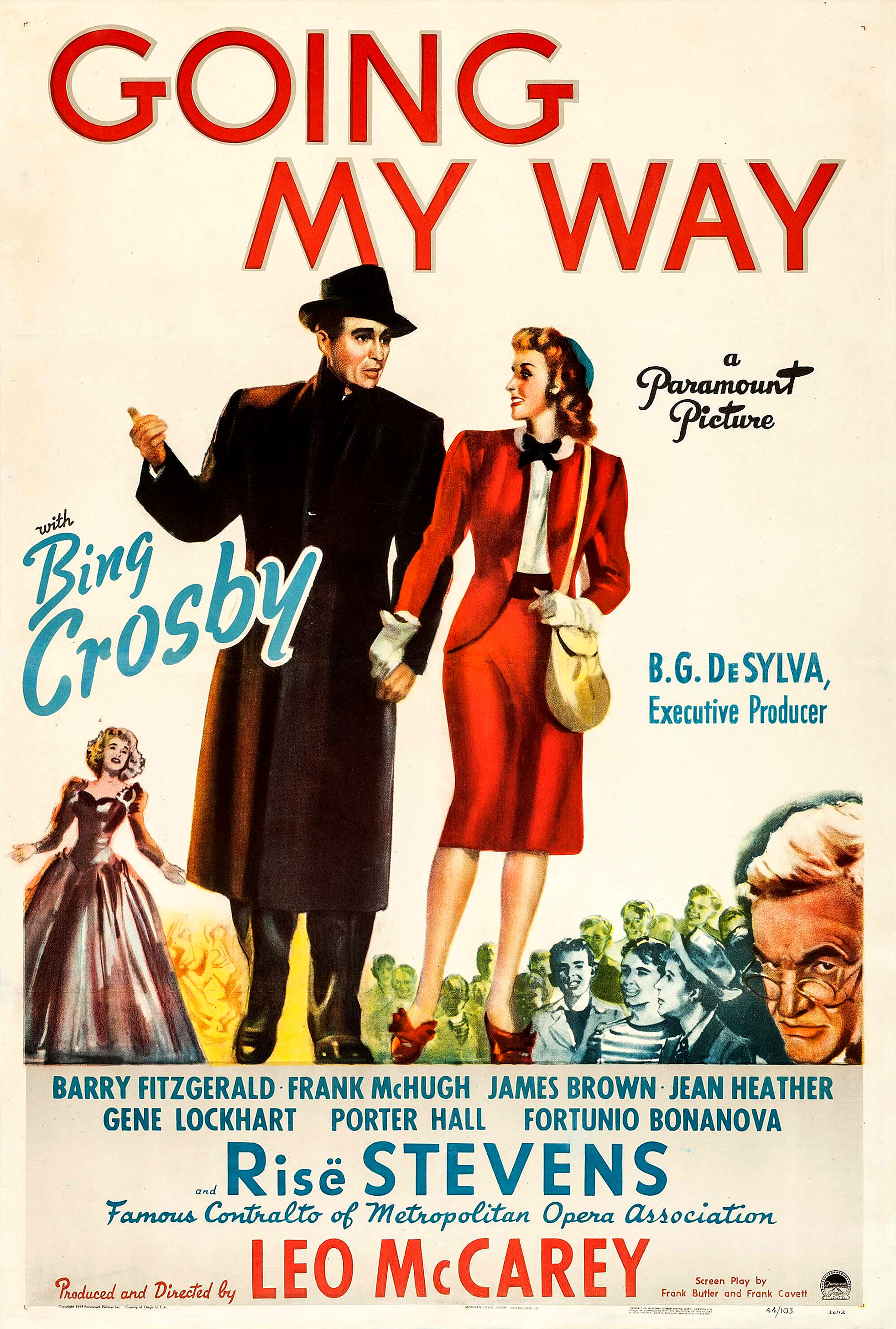
In the rich tapestry of American cinema, Going My Way (1944), directed by Leo McCarey, holds a special place as both a critical and popular masterpiece. Its release during World War II resonated deeply with audiences seeking comfort and joy amidst turmoil, establishing it as a heartwarming escape. McCarey's expertise in blending comedy with sentimentality manifests in this film, contributing to its status as an Oscar-winning sensation. Known for his deft touch in navigating emotional landscapes, McCarey creates a narrative that balances humor and nostalgia, marking a pivotal moment in his illustrious career, characterized by a unique ability to craft films that both entertain and provoke thought.
Critics have lauded Going My Way for its unhurried, warm approach, showcasing the spontaneous charm of its central relationship. The film features Bing Crosby as Father Chuck O'Malley, a young, easy-going priest assigned to a struggling parish. Crosby's portrayal, marked by a sincere blend of humor and gravitas, has been described as shimmering with authenticity. His chemistry with costar Barry Fitzgerald, who embodies the curmudgeonly, aging priest Father Fitzgibbon, creates a delightful contrast that encapsulates the film's themes of collaboration and generational differences. The interplay between the two characters is not only humorous but also deeply affecting, encapsulating a spirit that resonates with many viewers.
One of the film's most prominent features is its artistic direction and masterful execution of narrative pacing. McCarey employs a leisurely rhythm, allowing characters and sentiments to develop organically. This thoughtful pacing sets it apart from the hardened cynicism found in contemporary film noir pieces emerging around the same time, highlighting a polar opposite approach to storytelling. Instead of dwelling on life's bleakness, Going My Way radiates warmth and optimism, inviting audiences into a world where kindness and compassion can triumph over adversity.
Moreover, the film’s nostalgic tone captures the essence of a bygone era, while embracing the spirit of the holiday season. The potential for connection through shared experiences is illustrated beautifully, making the film not only a hallmark of classic cinema but also a perennial favorite during Christmastime. Critics often highlight the way in which Going My Way encapsulates a sense of community and belonging, which echoes through the warmth of the musical performances woven throughout its runtime. Crosby’s musical talent shines, particularly in the film's memorable musical numbers, which further enhance the emotional resonance of the narrative.
In summary, Going My Way stands as a testament to the craftsmanship of Leo McCarey and the timeless appeal of its cast. Its blend of comedy, warmth, and sentimentality persists in the collective consciousness of American cinema. As it continues to be revisited by audiences, the film serves as a reminder of the enduring power of storytelling that evokes empathy and connection, solidifying its place in the pantheon of cinematic masterpieces.