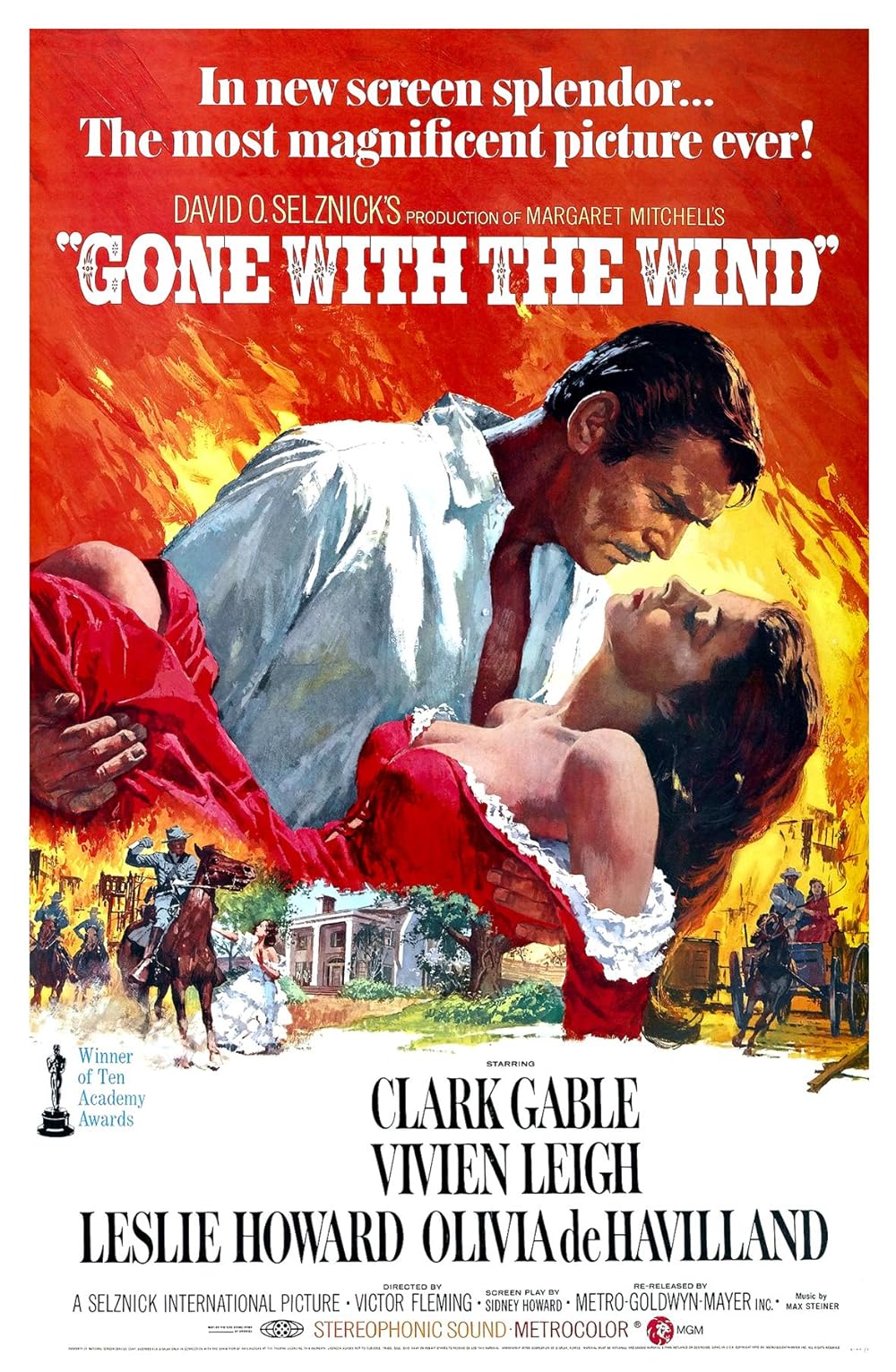
Released in 1939 and directed by Victor Fleming, Gone with the Wind remains a towering achievement in classic cinema, both in its sweeping narrative scope and its visual splendor. Rooted in the backdrop of the American Civil War, the film conjures a detailed portrait of Southern society, centered on the indomitable character of Scarlett O'Hara, played masterfully by Vivien Leigh. Of note is that Fleming's directorial touch blends romantic dramatics with historical epic narratives, setting a precedent for future films that seek to balance personal stories with broader social and historical themes.
Critics have consistently recognized that Gone with the Wind captures an essential, albeit problematic, portrait of the Civil War era and its aftermath. Themes of love and loss permeate the film, as Scarlett’s romantic entanglements with Ashley Wilkes and Rhett Butler illuminate the complexities of desire, ambition, and survival in a world ravaged by conflict. The film crafts an intimate yet expansive world where the struggles of its characters mirror the tumultuous changes of a nation in restoration, evoking a dreamlike quality that juxtaposes moments of sparkling romance with the harsh realities of war.
At its core, Gone with the Wind serves as a vehicle for examining resilience, both personal and communal. Scarlett embodies a free-spirited willfulness that drives her to survive against all odds, making her one of cinema’s most iconic Southern Belles. Her headstrong nature ensures that viewers are drawn into her turbulent journey through tragedy and triumph, fostering a connection that is both sympathetic and exhausting. Yet, the film also invites critical scrutiny regarding its racial representation and romanticization of the Antebellum South, a narrative framework that many have criticized as dated and discriminatory in its portrayal of African Americans.
The film’s historical significance cannot be understated; it marked a major cinematic achievement of its time, delivering epic storytelling while utilizing expressive visual style and strong character development. The lavish production design and costuming envelop viewers in a richly textured world that feels both grotesque and glittering, highlighting the stark contrasts of Southern life. This visual opulence, combined with the thunderous score, transforms the film into an immersive experience, encapsulating the tumult of an era while resonating through generations.
Yet, as audiences today reflect on Gone with the Wind, they must grapple with the enduring legacy of its themes and presentations. While it offers a romanticized view of a bygone era, it also reflects the tensions inherent in historical storytelling. Ultimately, Gone with the Wind remains a complex and multifaceted epic, capable of sparking conversations about love, loss, and the troubled history it seeks to portray. Its place in the canon of classic cinema is as secure as it is controversial, ensuring its relevance in discussions about film, history, and cultural representation.