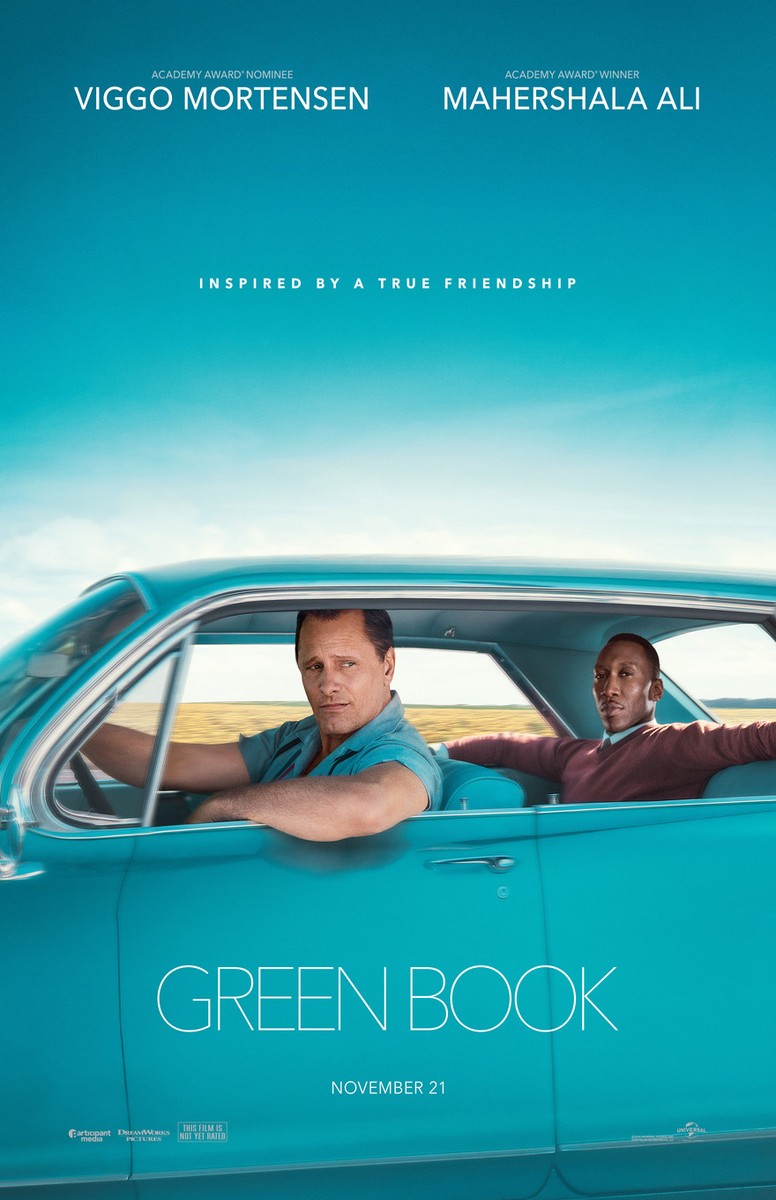
Green Book, directed by Peter Farrelly, finds itself positioned at a unique intersection within contemporary cinema, straddling the realms of both lighthearted entertainment and serious discourse on race relations. Farrelly, primarily known for his comedies, ventures beyond his typical oeuvre, utilizing an ostensibly old-fashioned cinematic approach to delve into the deeply entrenched issues of racial discrimination in 1960s America. This film serves not only as a road trip narrative but also as a poignant exploration of friendship between two men from vastly different backgrounds, whose bonds are tested in an era rife with social upheaval.
The film follows the unlikely partnership between Tony Lip, an Italian-American bouncer, and Dr. Don Shirley, a brilliant African-American pianist embarking on a concert tour through the segregated South. Critics have noted the film's ability to balance humor and drama effectively, reinforcing its accessibility while maintaining a respectful examination of the harsh realities of racism. The chemistry between the lead characters allows for both comedic exchanges and heartfelt moments that evoke a moving vulnerability, encouraging audiences to reflect on their own perceptions of race and friendship.
Critical reactions have been diverse, with many lauding the film’s simple yet elegant storytelling execution, while others remark on its showy aspects and occasionally self-satisfied swagger. The narrative's direct approach, paired with a good-hearted charm, appeals to a broad audience, emphasizing the personal growth of both Tony and Don. As the journey unfolds, viewers witness profound transformations, illustrating the film’s belief in the potential for human connection to transcend societal divisions. This theme resonates powerfully in the current cultural climate, making Green Book not only a product of its time but also a relevant commentary on ongoing conversations about race.
Though some have critiqued Green Book for its adherence to familiar tropes of the genre, especially its feel-good ending, it is undeniably an endearing work that seeks to illuminate the complexities of friendship amidst adversity. Additionally, the film's adept portrayal of the characters demonstrates a degree of dignity rarely afforded to its depictions of race relations, avoiding the trap of over-simplification that often plagues narratives in this genre. Critics have recognized these traits as a testament to the filmmakers’ commitment to handling the material with care and respect.
As we reflect on Green Book, it becomes clear that it embodies a nostalgic lens through which to examine the transformative power of relationships in the face of societal injustice. This film is a reminder that even in an era dominated by systemic bias, moments of positive change can arise from the most unlikely alliances. Farrelly’s turn into drama, marked by this charismatically layered narrative, invites us all to reconsider the paths we travel, both literally and metaphorically, in our lives.