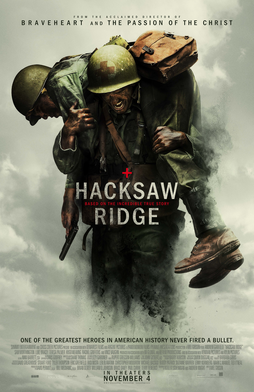
In Hacksaw Ridge, directed by Mel Gibson, audiences are presented with a gripping exploration of violence and pacifism, woven into the fabric of a historical biopic. Set during World War II, the film chronicles the true story of Desmond Doss, a conscientious objector who, despite refusing to carry a weapon due to his steadfast religious beliefs, bravely served as an army medic. This film marks a notable entry in Gibson's filmography, which has often grappled with themes of brutality and redemption, featuring graphic depictions of violence that provoke deep ethical contemplation. Hacksaw Ridge stands out as both a testament to human bravery and a meditation on the moral contradictions inherent in war, echoing the complexities of its director's previous works such as The Passion of the Christ and Apocalypto.
Critics have consistently noted the visceral intensity of Hacksaw Ridge, highlighting its gruesome combat scenes that portray the harrowing realities of warfare. Gibson's direction crafts a film that is as original as it is thrilling, balancing gut-wrenching action sequences with poignant moments of introspection. The violence, while gratuitous at times, serves a larger narrative purpose, illustrating the chaos and horror of battle, while simultaneously contrasting Doss's pacifistic convictions. This juxtaposition invites viewers to grapple with the often conflicting emotions that arise in considering the nature of valor and the cost of war.
The moral contradictions explored in Hacksaw Ridge deepen its impact, making it more than just an action film. Desmond Doss's unwavering commitment to his beliefs, even in the face of immense personal danger and ridicule from fellow soldiers, resonates as a powerful statement on individual integrity. The film does not shy away from showcasing the gruesome toll of combat, thoughtfully presenting the psychological and physical scars it inflicts, while simultaneously championing a man who stood against the tide of violence with courage and conviction.
Overall, Hacksaw Ridge has emerged as a significant film in contemporary cinema, drawing critical acclaim for its originality and depth. While it delivers on the expectations of an action-packed war film, it also challenges viewers to reflect on the ethical dilemmas that arise in extreme contexts. By examining the interplay between bravery and pacifism, Gibson not only narrates Doss's heroism but also poses a broader question about the true nature of heroism in the face of brutality. In a landscape often saturated with conventional war films, Hacksaw Ridge carves out a unique space that prompts necessary dialogues about morality amidst violence.