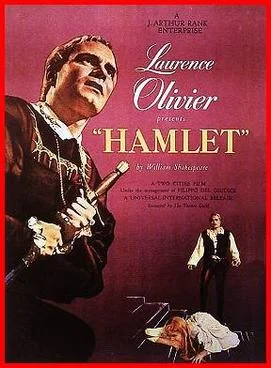
Laurence Olivier's adaptation of Hamlet (1948) is a significant milestone in cinematic history, marking the first time that a Shakespearean play was translated into a major film feature with such intensity and ambition. Olivier, an acclaimed stage actor and director, infused this monochrome film with his theatrical prowess, creating a visual tapestry that captures the essence of Shakespeare's text while situating it firmly within the landscape of mid-20th century cinema. This film not only serves as a testament to Olivier's talents but also reflects the post-war audience's appetite for complex narratives steeped in emotional and psychological depth.
Central to Hamlet is the exploration of revenge and family betrayal, themes that resonate deeply within the human experience. Olivier's portrayal of Prince Hamlet is imbued with a dynamic mix of youthful energy and grave introspection, showcasing the character's struggle with indecision as he grapples with avenging his father's murder. The familial dysfunction and political intrigue that permeate Elsinore Palace serve as a microcosm for the broader existential dilemmas facing society at the time. Through this lens, Olivier’s adaptation skillfully highlights the interplay of personal and political motivations, drawing a parallel between Hamlet's internal conflicts and the turbulent climate of post-war Europe.
The critical response to Hamlet has often noted its cinematic and atmospheric qualities. Olivier's use of lush black and white cinematography not only enhances the dark themes of the narrative but also adds a unique visual allure that distinguishes it from conventional productions of the play. The intimate close-ups and handheld camera work contribute to a sense of immediacy, immersing viewers in Hamlet's psychological turmoil. Critics have praised Olivier's intelligent and creditable adaptation as refreshingly modern, capturing the essence of Shakespeare's language while making it accessible to contemporary audiences.
Moreover, the film’s exquisite design elevates the presentation of Shakespeare’s work, merging theatrical influence with cinematic artistry. From the ghostly apparitions to the claustrophobia of the castle, the film transports viewers into a world where betrayal and existential angst reign supreme. Olivier’s decision to embrace the theatricality of the text, without sacrificing the visual showmanship of film, demonstrates a profound understanding of both mediums, yielding a work that feels at once timeless and freshly relevant.
Ultimately, Hamlet stands as a critical achievement in Olivier's filmography, embodying his dedication to authenticity and innovation in storytelling. It is a pivotal work that not only enshrines Shakespeare’s legacy in film but also invites audiences to grapple with the timeless questions surrounding revenge, familial loyalty, and the burden of choice. In this cinematic adaptation, Olivier lays bare the complexities of human relationships within a morally ambiguous world, making Hamlet a poignant exploration of the human condition that endures in its relevance.