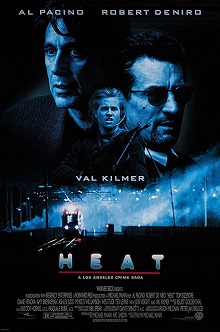
Heat, directed by Michael Mann, stands as a monumental entry in crime cinema, reflecting not only the director's distinctive aesthetic but also the evolution of narrative complexities in the genre during the 1990s. Mann’s meticulous attention to detail and stylistic flourishes have positioned him as a prominent figure in American filmmaking, renowned for his ability to weave together gripping narratives and profound character studies. Released in 1995, Heat showcased a blend of intensity and sophistication that was ahead of its time, setting a new standard for both heist films and psychological dramas. It serves as a prime example of Mann’s exploration of moral ambiguity, loneliness, and obsession, themes that he has consistently scrutinized throughout his work, further solidifying his legacy within the cinematic landscape.
The film’s critical reception has largely identified it as a gripping epic that delves into the psyche of its characters, particularly the professional criminal Neil McCauley, played with depth by Robert De Niro, and the dedicated detective Vincent Hanna, portrayed by Al Pacino. Critics have noted the way Mann meticulously crafts their shared obsession with their respective professions, drawing parallels that highlight their loneliness despite their expertise and confidence. This central dynamic serves as a vehicle for exploring broader themes of morality and psychology, illustrating how the pursuit of one's goals can lead to isolation and eventual destruction.
Mann’s ability to juxtapose the flashy, stylish elements of crime with the somber realities of the characters' lives is both immersive and thought-provoking. The film’s cinematography, sharp dialogue, and haunting score create an atmosphere that feels both thrilling and melancholic. Each frame is laden with a sense of impending doom, a reminder that in this world, professional skill and meticulous planning are no guarantees of success or happiness. The tension is palpable, gripping audiences while forcing them to confront troubling questions about ethics and the consequences of one's actions in the relentless pursuit of ambition.
The film also redefined the action genre by emphasizing emotional depth alongside thrilling sequences, exemplified in the iconic shootout scene that has become a hallmark of cinematic excellence. Critics have pointed out that such moments are not just spectacles; they serve as profound reflections on the psychological toll of a life steeped in crime and the morally gray decisions faced by those straddling the line between law and lawlessness. In this light, Heat transcends its genre, offering a rich tapestry of human experiences and a thoughtful meditation on the cost of obsession.
In examining Heat, one cannot overlook its lasting impact on both filmmakers and audiences alike. The film’s complex characters and storylines have influenced countless works in the years following its release, making it a touchstone for those exploring similar themes of obsession, isolation, and the pursuit of meaning in chaotic worlds. As such, Heat remains not only a high point in Michael Mann's career but also a definitive statement on the nature of crime and the human condition, leaving viewers engaged in discussions that continue to resonate long after the credits roll.