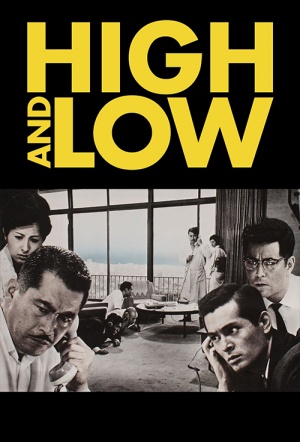
Akira Kurosawa's High and Low (1963) stands as a pivotal entry in the canon of both Japanese cinema and the director's expansive body of work. As a master in melding traditional storytelling with contemporary themes, Kurosawa takes a classic narrative framework, originally an Edward K. Hill story titled "King's Ransom", and adapts it in a way that is a fine balance of personal expression and social commentary. This film not only exhibits Kurosawa's visionary approach to cinema but also reflects the socio-economic struggles of post-war Japan, capturing the complex relationship between class disparity and moral dilemmas within the context of a gripping crime thriller.
Critics have highlighted High and Low as truly electrifying, with its labyrinthine plot that intricately weaves a tale of kidnapping and corporate responsibility. The film’s exploration of the class divide is profound; it takes viewers from the lavish comforts of an executive's life to the harsh living conditions in the alleys surrounding the city. This stark juxtaposition serves as a scalding commentary on societal structures, echoing Kurosawa's ability to reflect on the human condition while delivering hardboiled suspense. In using the adaptation of an American story, Kurosawa successfully modernizes its themes to resonate with the Japanese audience, reinforcing its relevance beyond the original narrative.
The film's cinematography is as much a character as its cast, with sublime visuals that capture the tension and pressure of the narrative's moral quandaries. The use of contrasting settings, from opulent spaces to claustrophobic environments, enhances the film's intensity, making each frame count in its visual storytelling. The careful structure of High and Low draws viewers into the heart of a situation fraught with personal stakes, as the protagonist is thrust into a nightmare he never anticipated. This inadvertent journey of high expectations collapsing into low outcomes serves as a metaphor for the societal pressures faced by its characters.
The performances are notably shrewd, with Toshiro Mifune's portrayal of the protagonist revealing the vulnerabilities of a man positioned at the peak of corporate power yet faced with an insurmountable moral dilemma. His struggle, rooted in a fierce love for his family, adds depth to the genre's typical hardboiled tropes, painting him as relatable rather than merely heroic. The film’s plot twist further complicates the narrative, presenting a scenario where the initial motivations become obscured by the subsequent actions of the characters and their interrelationships, thus challenging the audience's preconceptions of right and wrong.
High and Low is a modern classic that exemplifies how adaptation can revitalize a story, making it relevant across cultures and time periods. Its insights into crime and consequences echo the complexities of human ethics and responsibility, creating a poignant discourse on societal norms. Kurosawa’s masterpiece continues to influence filmmakers and audiences alike, not only as entertainment but as a reflection on the moral fabric of society within an unforgiving socio-economic context.