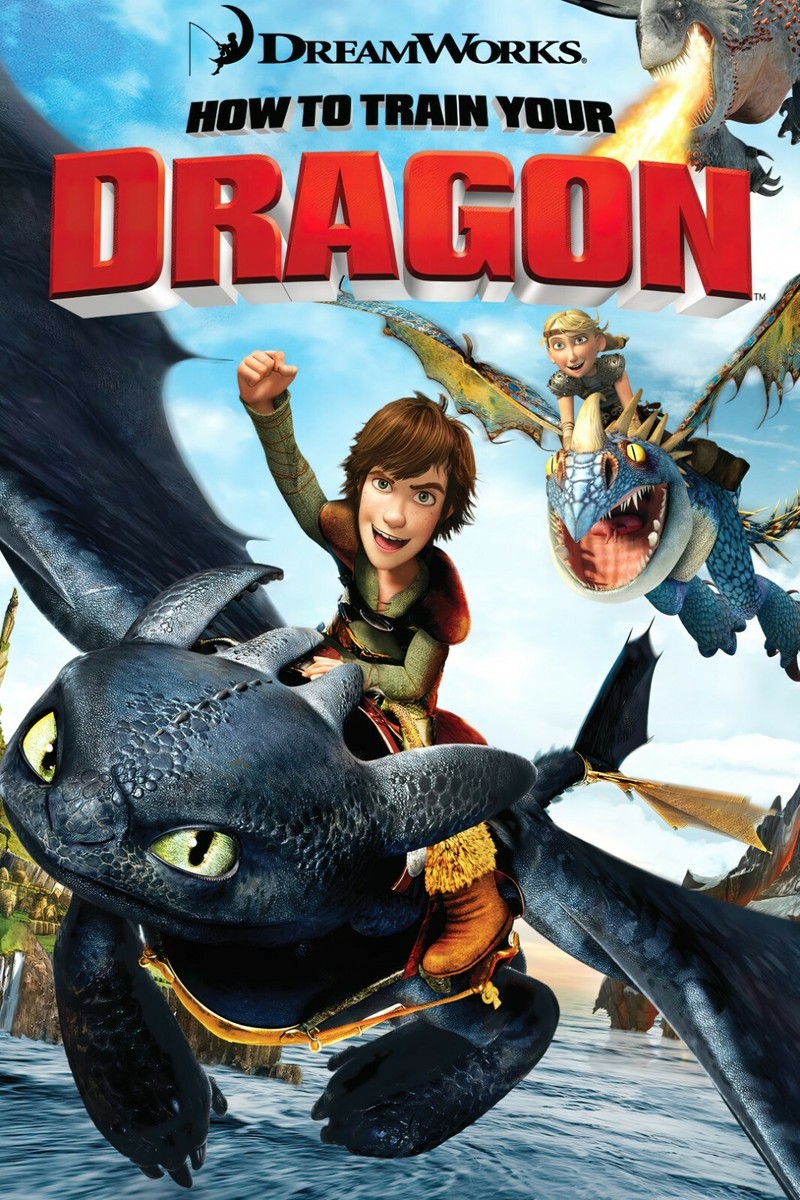
Released in 2010, How to Train Your Dragon, directed by Dean DeBlois and Chris Sanders, marks a significant entry in the modern animated canon, showcasing the heights of imaginative storytelling in animated cinema. The film stands out not only for its stunning visual aesthetics, characterized by vibrant colors and detailed landscapes, but also for its emotional depth and innovative animation techniques. DeBlois and Sanders, known for their work with DreamWorks, manage to craft a narrative that resonates deeply, making the film a cornerstone of their directorial efforts and a hallmark of the studio's evolution in animated filmmaking.
The critical consensus around How to Train Your Dragon emphasizes its masterful blending of adventure and coming-of-age elements, particularly resonant for audiences navigating their own paths of growth and self-discovery. At the core of the film lies the poignant father-son relationship between Hiccup and Stoick, which portrays both the difficulties of familial expectations and the journey towards understanding one another. This theme of learning to see beneath the surface, particularly as it pertains to the other, specifically, the dragons, adds layers of meaning, suggesting that courage often requires one to confront biases and embrace unfamiliar perspectives.
In addition to personal growth, How to Train Your Dragon encapsulates broader themes of courage, family, and acceptance. It invites viewers to witness Hiccup's evolution from an outsider to an influential leader, embodying sheer determination and bravery in the face of adversity. The film's ability to blend energetic adventure sequences with heartfelt moments creates a dynamic viewing experience that is both enjoyable and thought-provoking. Critics have lauded the film not only for its originality but also for its capacity to inspire empathy and imagination.
The film's modern relevance cannot be overstated, as it speaks to a generation grappling with issues of identity, belonging, and understanding amid a divided world. In addressing the intrinsic conflicts between tradition and innovation, particularly as embodied in the relationship between dragons and humans, How to Train Your Dragon encourages audiences to reflect on their own perspectives. The narrative urges a dialogue between difference and acceptance, providing a template for navigating contemporary social issues.
Overall, How to Train Your Dragon is heralded for its bright and imaginative execution, delivering a story that is as engaging for children as it is for adults. Its melding of smart writing, realistic character development, and high-energy animation continues to set a benchmark within the animation genre. As viewers embark on this journey alongside Hiccup and Toothless, they are reminded of the enduring power of understanding and bravery, making this film not just a remarkable adventure but a heartfelt lesson in compassion and growth.